Phone/Whatsapp: +86 15515592672

grinding

Ball Mill

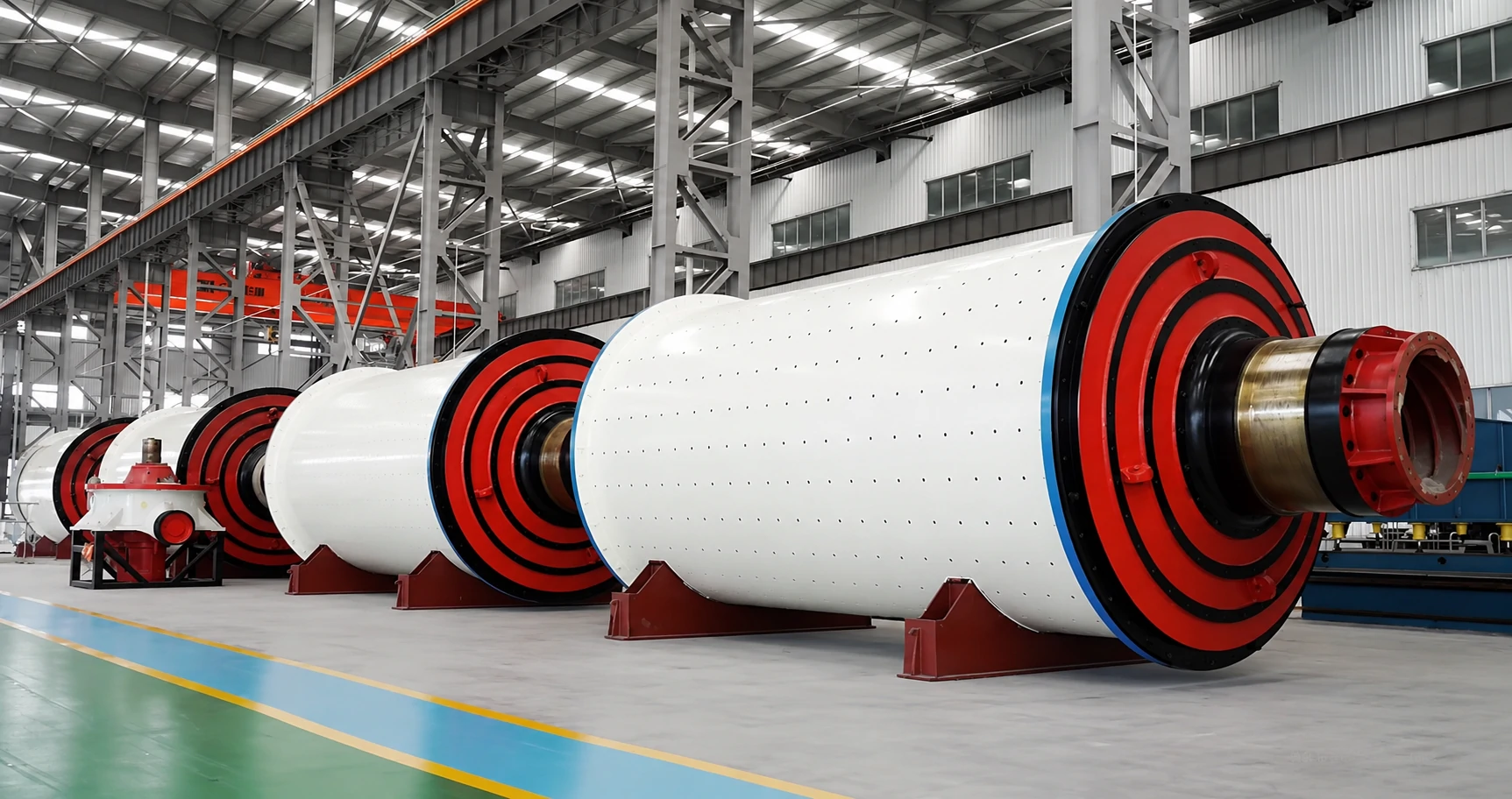
A ball mill is a grinding machine that reduces material through impact and attrition using grinding media. As the cylinder rotates, the grinding media—typically steel or ceramic balls—are lifted to a certain height before moving in a cataracting or cascading motion. This continuously subjects the material to impact, compression and grinding until it reaches the particle size required for subsequent mineral processing or further processing.

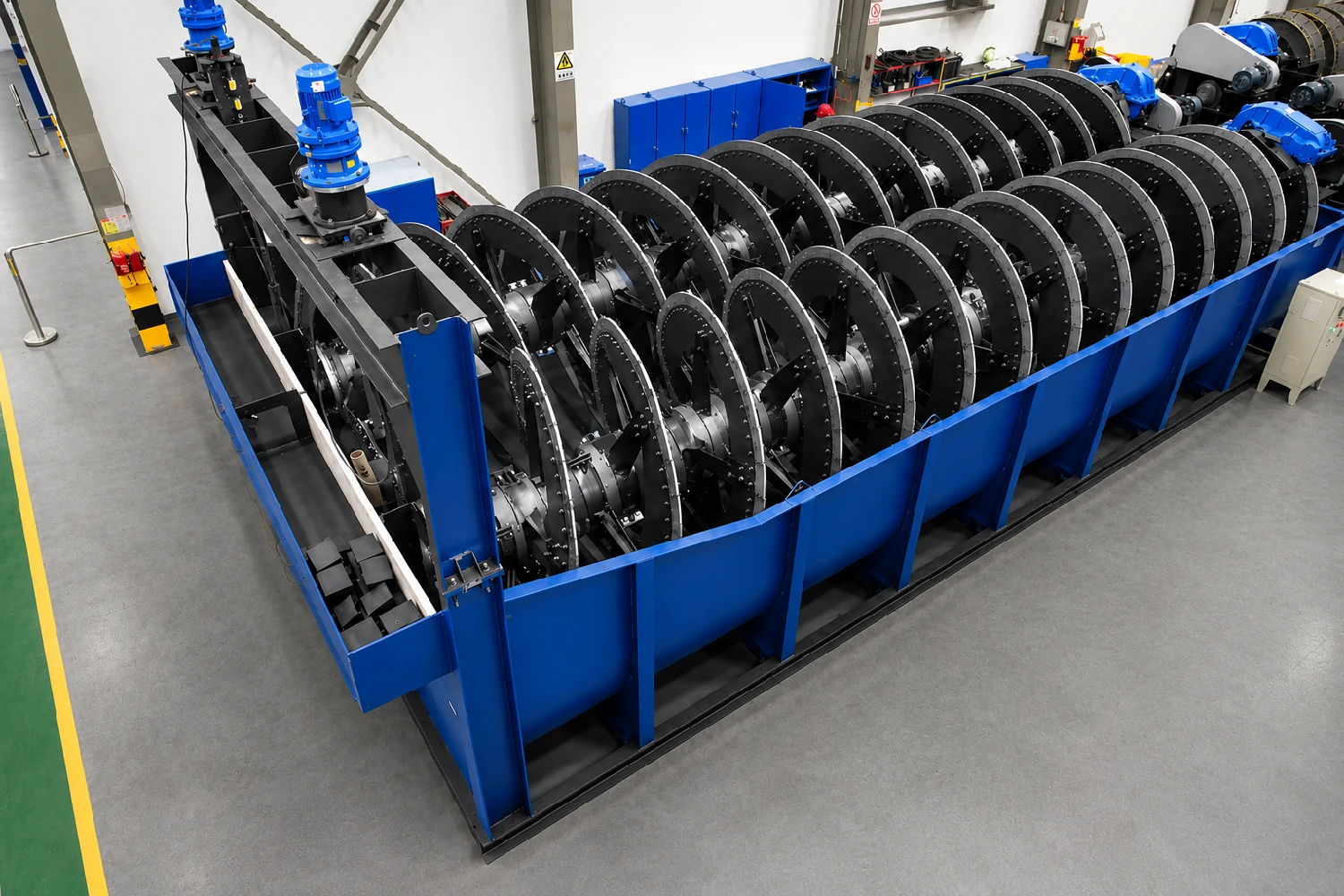
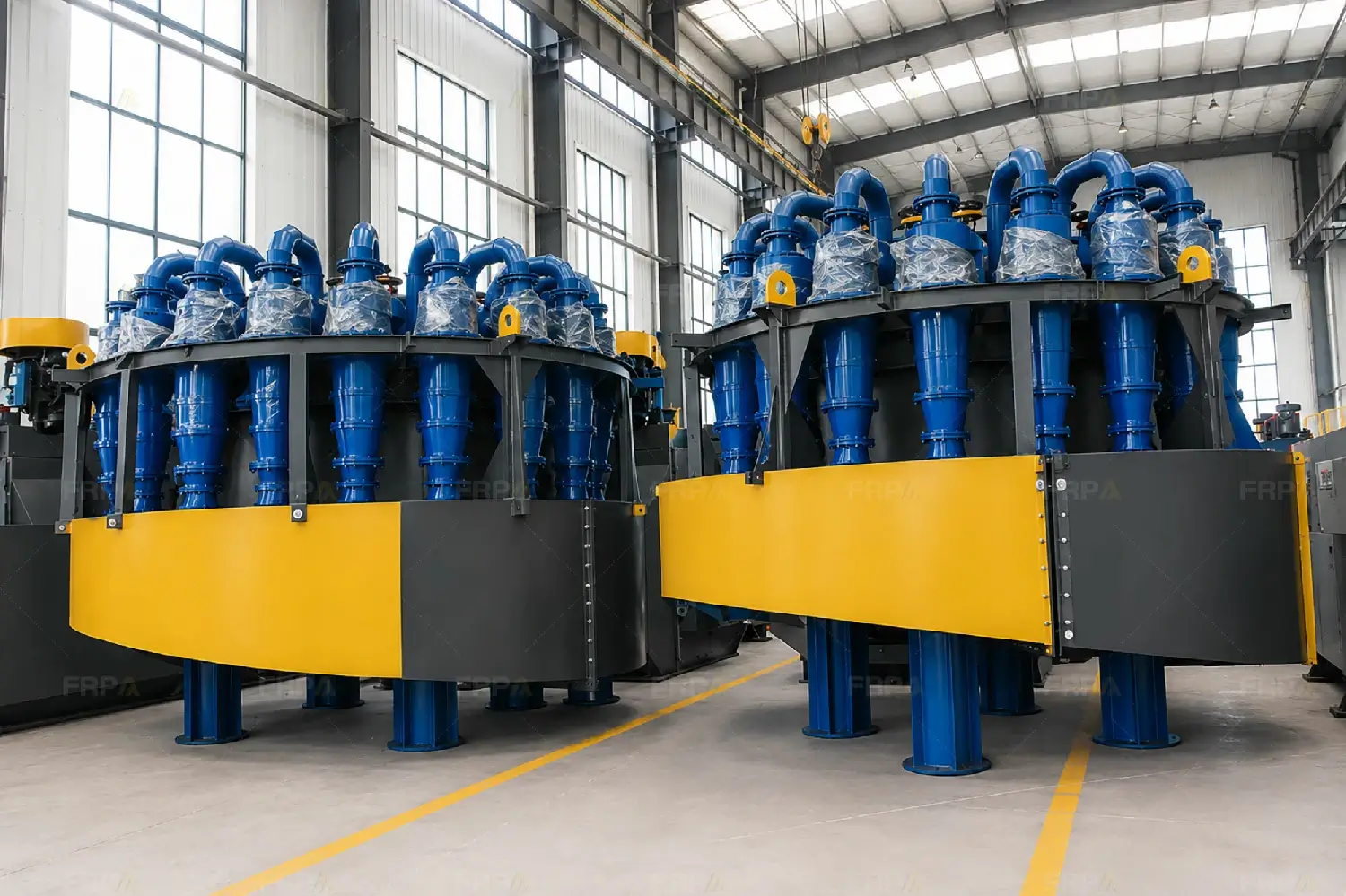
The equipment supports both wet and dry grinding. It can be used for the fine grinding of crushed material or operated in closed circuit with spiral classifiers, hydrocyclones and other classification equipment. Ball mills are widely used for processing gold, copper, iron and lead-zinc ores, as well as non-metallic mineral materials such as quartz, feldspar and limestone, providing properly sized feed for subsequent gravity concentration, magnetic separation, flotation and leaching processes.

Ball Mill

Key Benefits / Advantages

Dual Discharge Configurations

FRP Ball Mills are available with grate or overflow discharge: grate discharge promotes faster material removal and helps reduce overgrinding in primary or coarser grinding duties, while overflow discharge provides longer material retention for secondary and fine grinding applications.

Optional Liner Configurations

High-manganese steel, ceramic/alumina, and rubber liners can be selected according to material characteristics and operating conditions to meet different requirements for impact resistance, wear resistance, noise reduction, and reduced iron contamination.

Wet and Dry Grinding Options

Wet grinding facilitates slurry handling and closed-circuit operation with classification equipment, while dry grinding can be integrated with air classification and dust collection systems for cement, chemical, construction-material, and industrial-mineral applications.

Working Principle Visual

Working Principle

A ball mill operates through a rotating horizontal cylinder containing grinding media. As the cylinder rotates, the media are lifted by friction and the liners before cascading or cataracting under gravity, reducing the material through impact and attrition. The ground product is then discharged either through the hollow trunnion in an overflow mill or through the grate openings at the discharge end in a grate-discharge mill.

Applications of ball mills

Metal Ore Processing: Fine grinding of gold, copper, iron, lead-zinc, and other metal ores to improve mineral liberation for downstream flotation, magnetic separation, gravity concentration, or leaching.

Cement & Building Materials: Grinding of cement clinker, gypsum, and other raw materials to the required fineness for cement and related building-material applications.

Industrial Minerals: Grinding of quartz, feldspar, ceramic raw materials, and other industrial minerals, with optional ceramic liners and grinding media to minimize iron contamination and preserve product purity and whiteness.

Recycling & Environmental: Grinding of steel slag to improve metal liberation and grinding of limestone to produce fine powder or slurry for flue gas desulfurization systems.

Gallery of ball mills

ball mill 6

ball-mill-(20)
ball-mill-(17)-2
ball-mill-liner~1
ball-mill-(26)
ball-mill-(1)
ball-mill-(27)

Frequently Asked Questions

FAQ for Ball Mill

A ball mill uses spherical grinding media and is suitable for fine grinding, while a rod mill uses steel rods and is more suitable for coarse grinding with a more uniform product size and less overgrinding.
In a closed-circuit system, a classifier or hydrocyclone separates fine particles from coarse ones. Coarse material is returned to the mill for further grinding, which helps control particle size distribution and reduce overgrinding.
Performance is influenced by feed size, ore hardness, mill speed, grinding media configuration, liner design, and the efficiency of the classification system. Proper design and operation are essential for optimal grinding results.

Built for Uptime.
Backed All the Way.

We don't just deliver machines — we deliver assurance.

From installation to long-term service, we're by your side with ongoing support to keep your equipment running at its best.

Contact Today

Technical Data of Ball Mill

Model Cylinder Diameter (mm) Cylinder Length (mm) Effective Volume (m³) Max. Ball Loading (t) Speed (r/min) Main Motor (kW)
MQG-1557 1500 5700 8.5 12 28 130
MQG-1564 1500 6400 9.6 13 28 155
MQG-1864 1830 6400 15 20 23.8 210
MQG-1870 1830 7000 16 22 23.8 245
MQG-1880 1830 8000 18.8 26 23.8 280
MQG-2170 2100 7000 22 30 24.1 320
MQG-2175 2100 7500 23.5 33 24.1 355
MQG-2265 2200 6500 22 35 21.7 380
MQG-2270 2200 7000 23.8 38 21.7 380
MQG-2275 2200 7500 25.5 42 21.7 450
MQG-2470 2400 7000 28 52 21.7 570
MQG-2480 2400 8000 32 60 21.5 630
MQG-2750 2700 5000 25.8 54 20.7 630
MQG-2760 2700 6000 31 65 20.6 710

Note: Specifications are subject to change without notice due to ongoing product improvement.

How can we help?

Have a question, need advice, or want to schedule an appointment? We're happy to assist with any inquiries you have about our equipment and system solutions.

Home Tel Mail Inquiry