
Phone/Whatsapp: +86 15515592672

Crushing

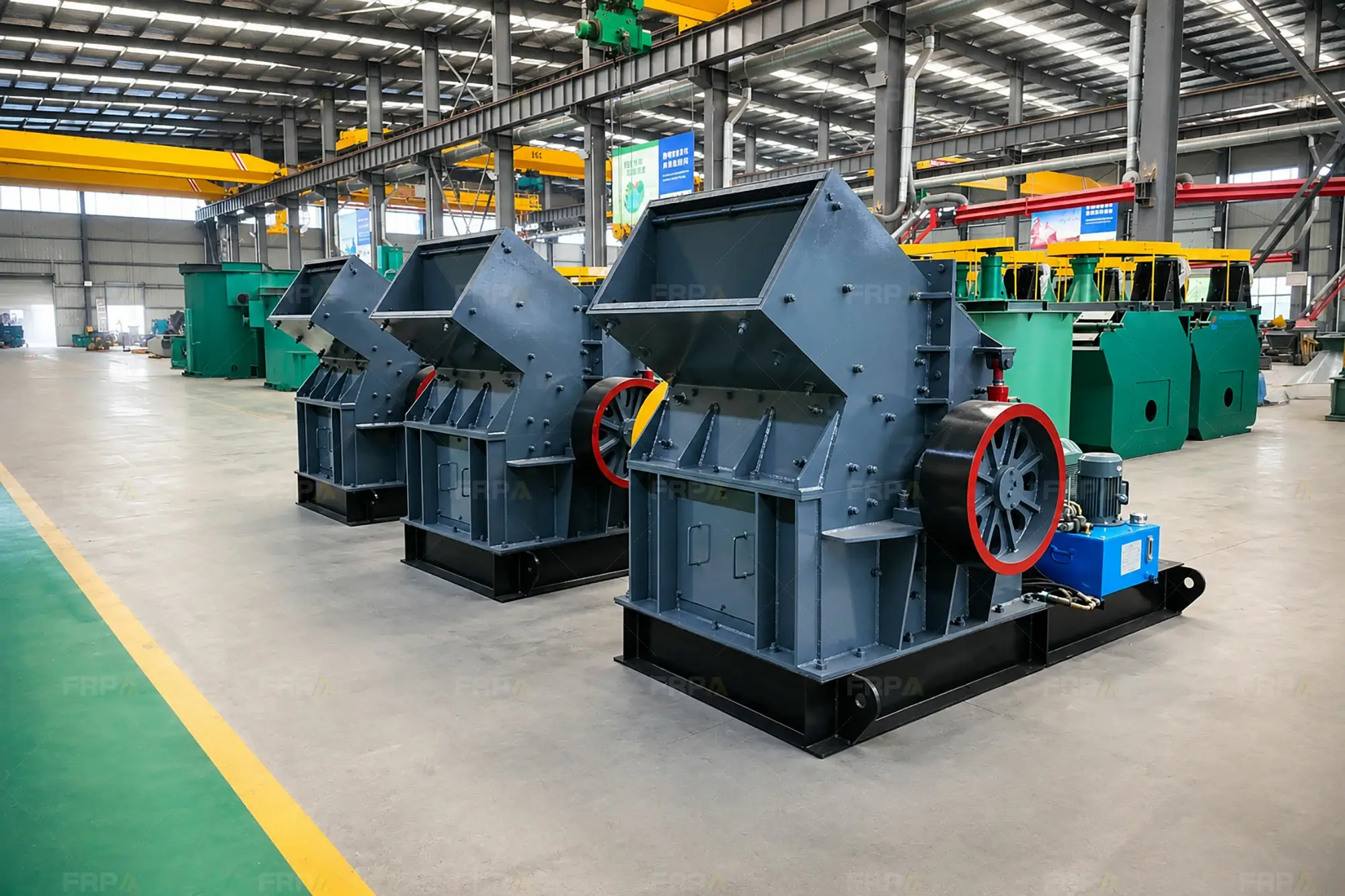
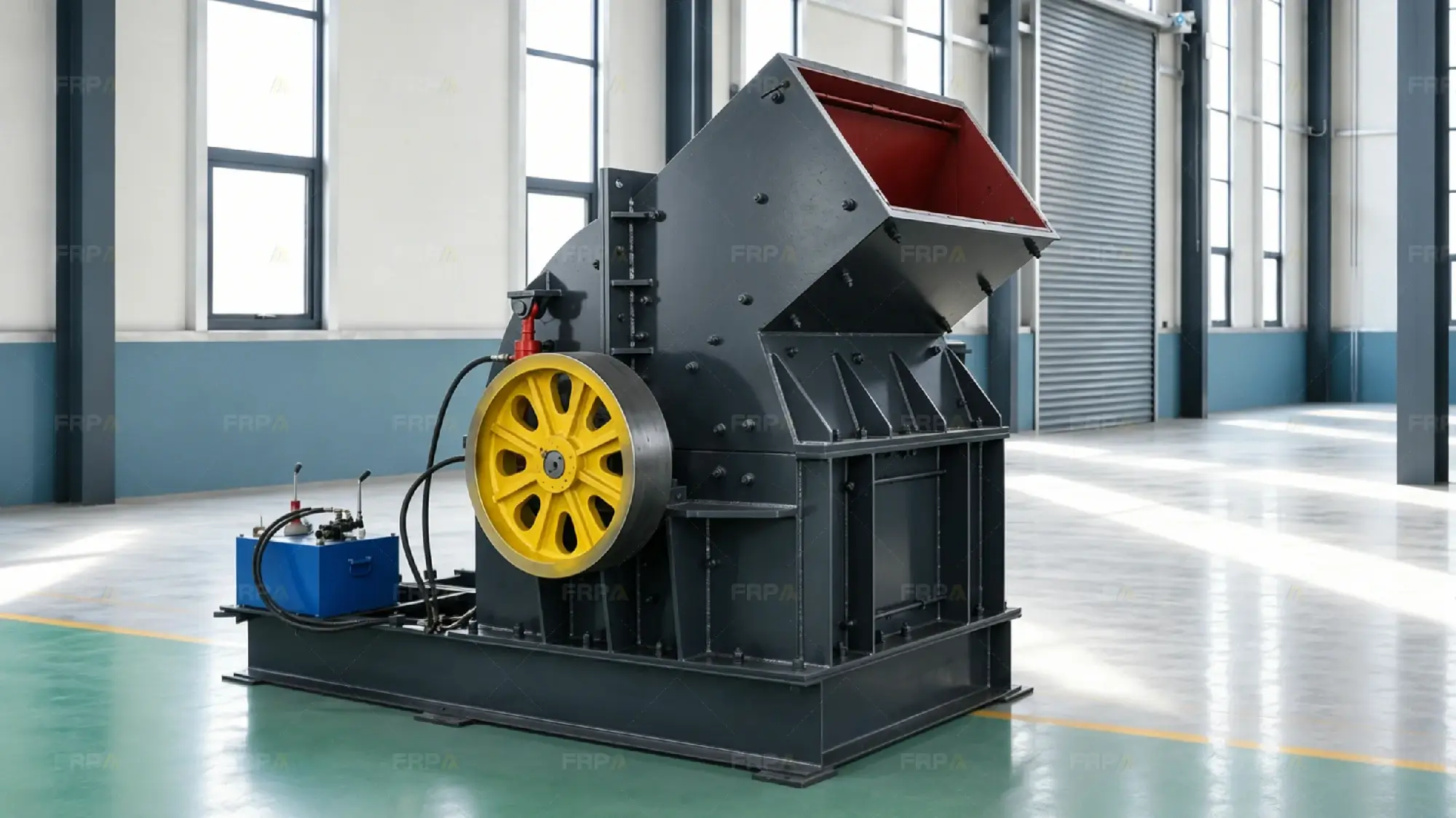
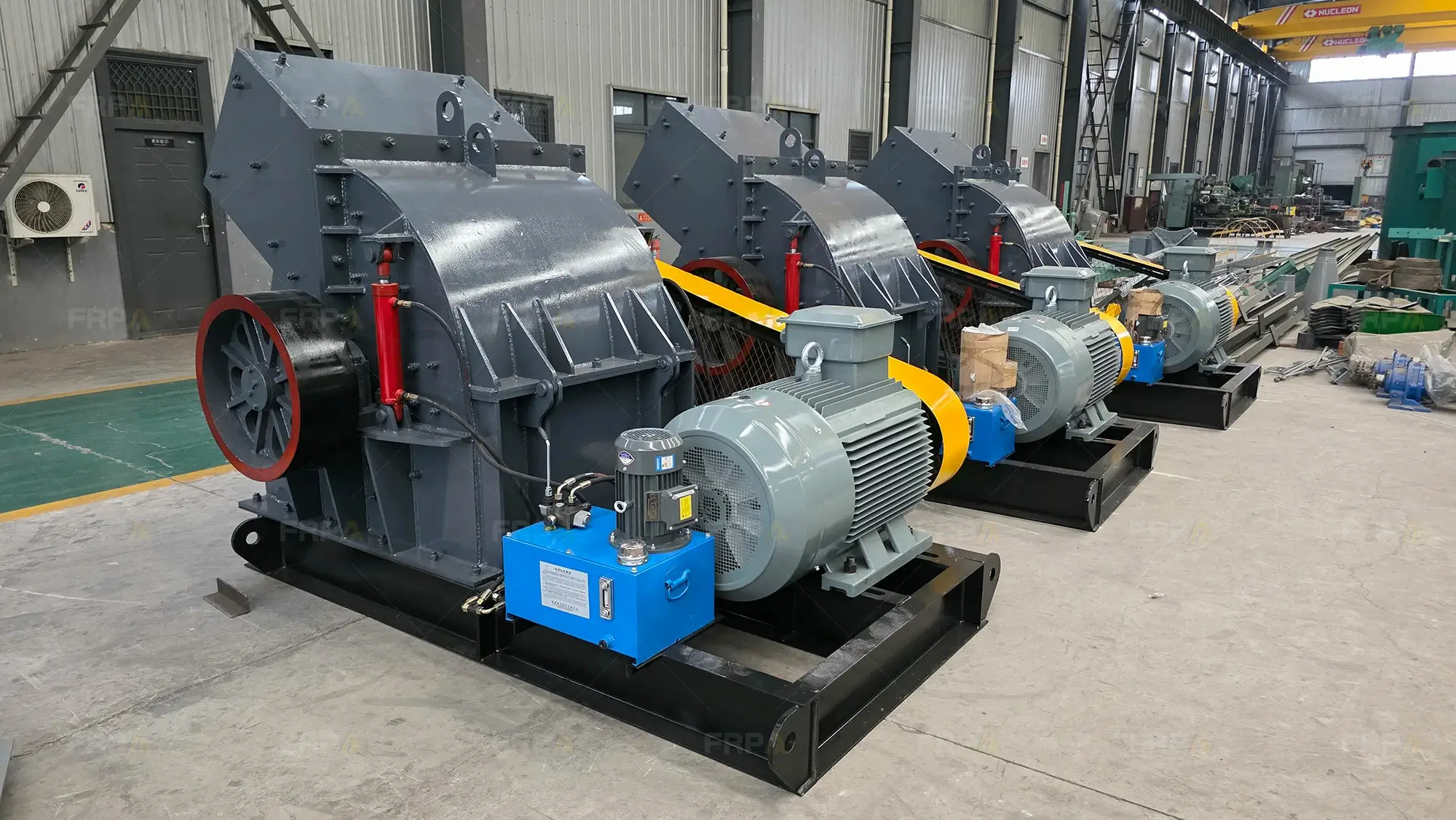
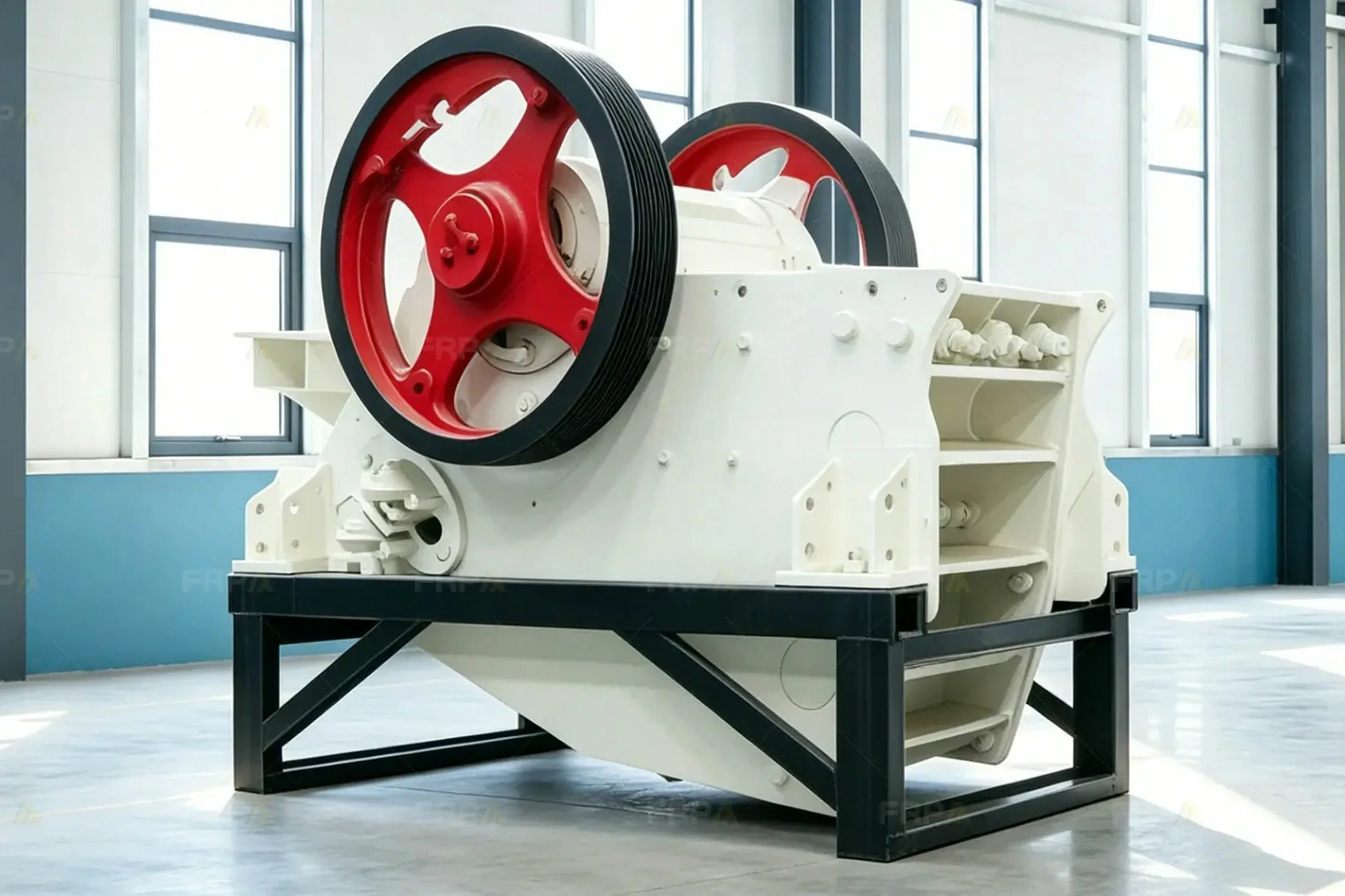
Hammer Crusher

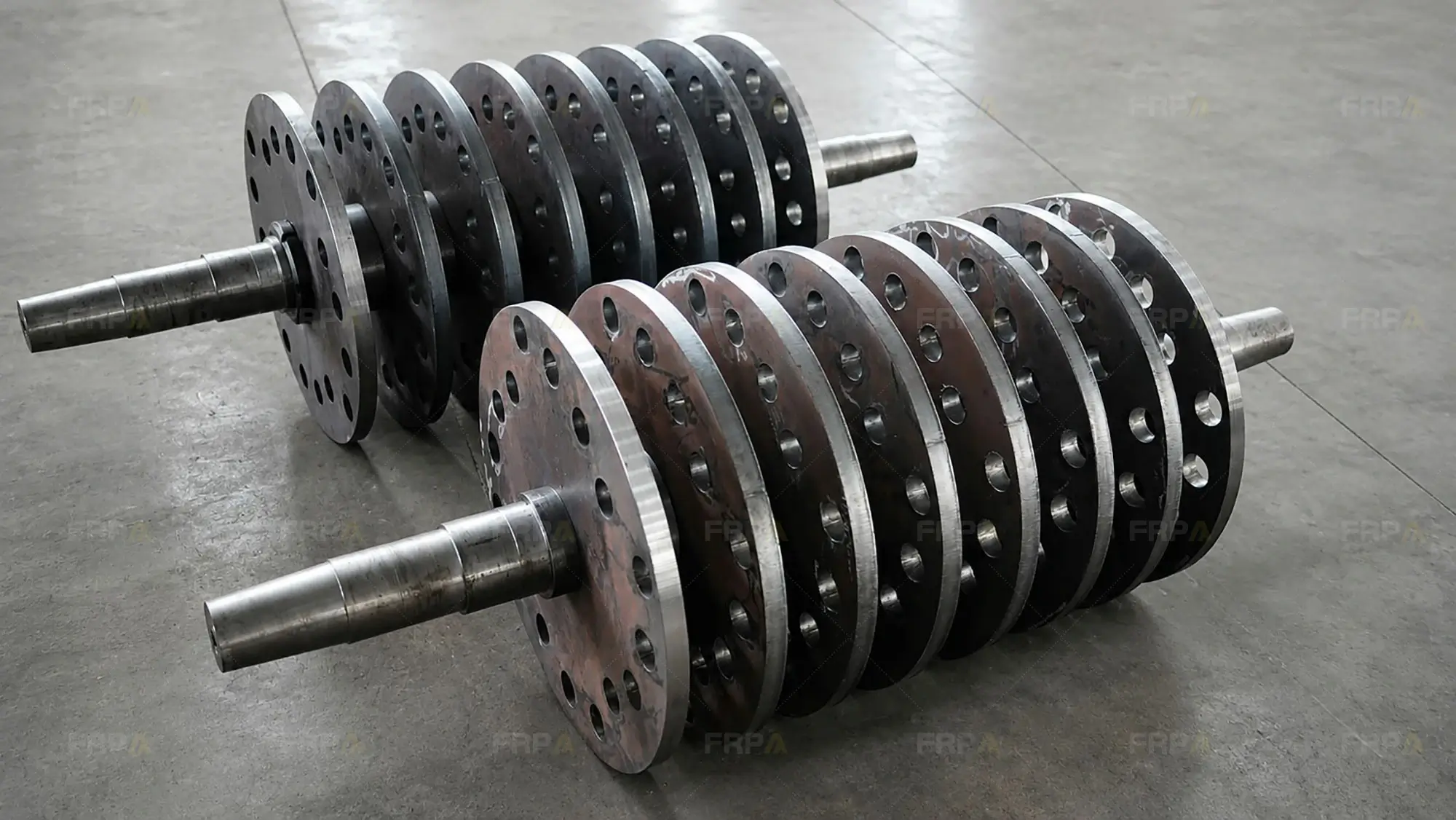
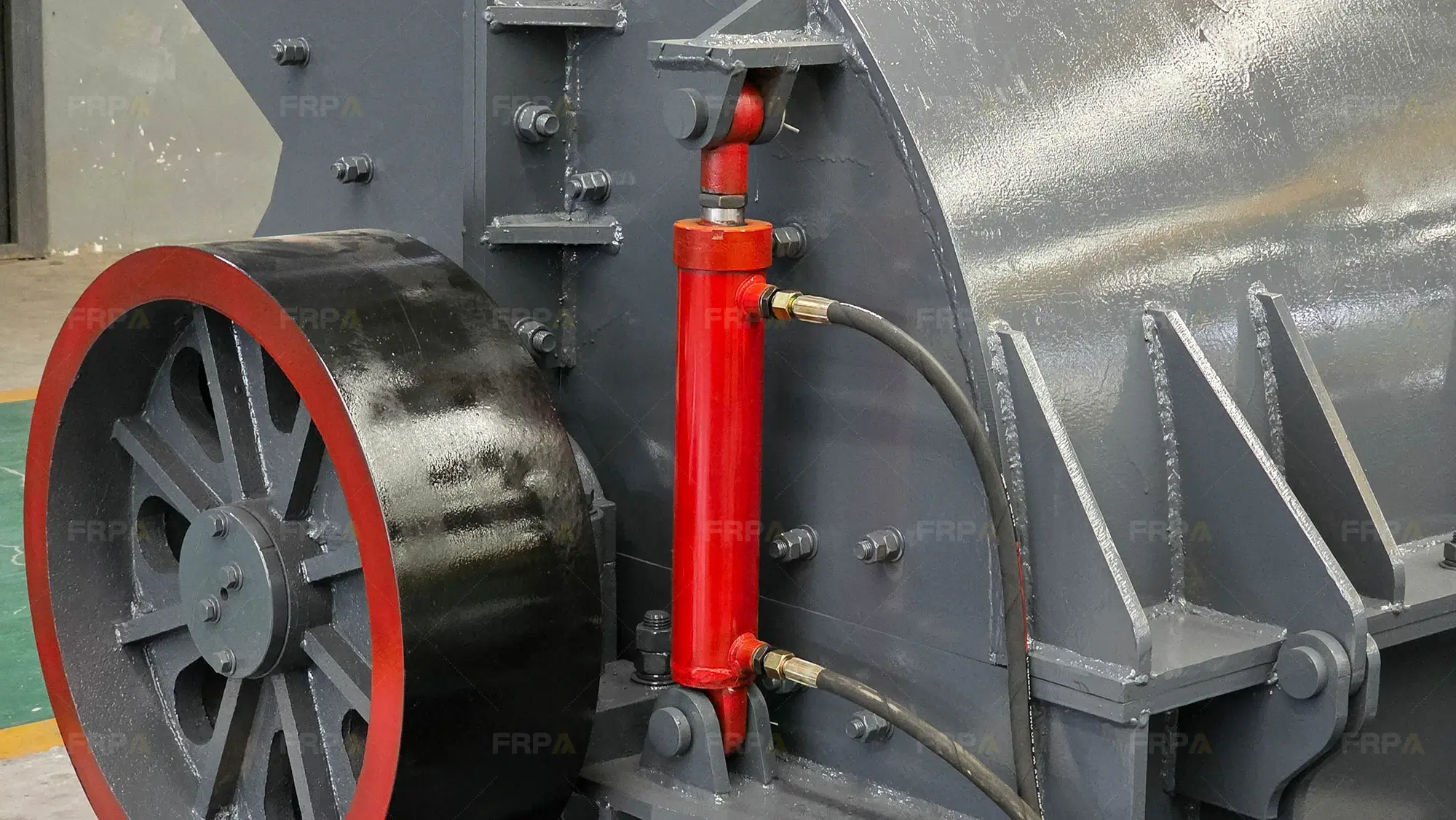
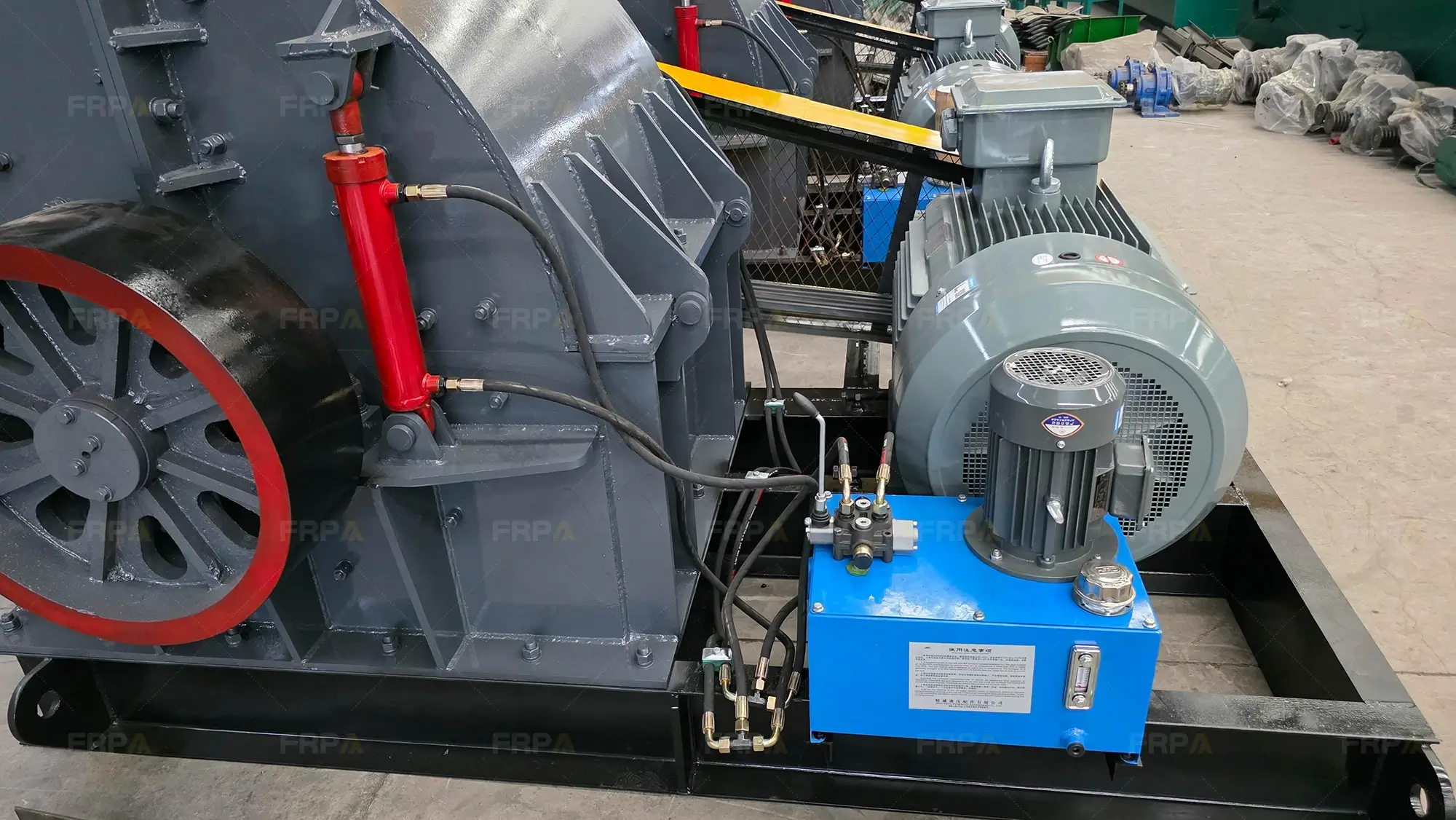
Hammer crushers are specifically designed for crushing medium-hard and brittle materials through high-speed impact. The rotating rotor equipped with hammer heads generates strong impact energy, allowing rapid material fragmentation and a high crushing ratio.

In suitable applications, a hammer crusher can reduce large feed material directly to the required product size, making it possible to complete the crushing process in a single stage.

Hammer Crusher

Key Benefits / Advantages

High Reduction Ratio →Impact crushing allows significant particle size reduction, typically achieving reduction ratios of 10–25 depending on material properties.

Single-Stage Crushing Capability →In suitable crushing systems, hammer crushers can reduce large feed material directly to the required product size, eliminating the need for secondary crushers.

Efficient Impact Crushing →The high-speed rotor generates strong impact energy, enabling rapid fragmentation and high processing efficiency.

Flexible Product Size Control→Final product size can be controlled through grate bars or screen plates installed beneath the rotor, depending on the crusher configuration.

When should a hammer crusher be selected?

A hammer crusher is typically selected when processing brittle, medium-hard, or low-abrasive materials, such as limestone, coal, gypsum, or shale. It is suitable for applications that require a large reduction ratio, allowing relatively large feed materials to be crushed to smaller sizes in a single stage. In many cases, this can reduce the need for secondary or tertiary crushers, helping to simplify the crushing process and lower overall equipment investment.

Frequently Asked Questions

FAQ for Hammer Crusher

Several factors influence the processing capacity, including: Feed size distribution Material hardness and moisture content Rotor speed and hammer configuration Screen plate size and open area Proper feed control and correct screen selection are essential to maintain stable throughput.
A hammer crusher operates based on impact crushing. The motor drives the rotor to rotate at high speed. Hammer heads mounted on the rotor strike the incoming material and break it through impact. The fragmented material is then thrown against impact plates and other particles inside the crushing chamber, causing further breakage. Particles smaller than the openings of the grate bars or screen plates pass through the bottom of the crusher and are discharged, while larger particles remain inside the chamber until further crushed. This impact crushing mechanism enables efficient size reduction for medium-hard materials.
The primary wear parts of a hammer crusher include hammers, liner plates, and grate plates/screen sieves.
To minimize wear and improve equipment longevity: * Ensure the feed size matches the design limit * Avoid feeding tramp metal or oversized material * Maintain stable feed rates * Inspect hammers, liners, and screen plates regularly Proper maintenance can significantly reduce downtime and operating costs.
To recommend a suitable model, the following information is typically required: * Raw material type * Maximum feed size * Desired output size * Required capacity (tph) * Moisture content of the material Providing this data allows engineers to determine the appropriate crusher configuration.

Built for Uptime.
Backed All the Way.

We don't just deliver machines — we deliver assurance.

From installation to long-term service, we're by your side with ongoing support to keep your equipment running at its best.

Contact Today

Technical Data of Hammer Crusher

Model Feed Size (mm) Output Size (mm) Capacity (t/h) Power (kW) Total Weight (t) Overall Size (L×W×H mm)
PC 400×300 ≤200 ≤25 5-10 11 0.8 900×670×860
PC 600×400 ≤250 ≤30 10-22 22 2.26 1200×1050×1200
PC 800×600 ≤250 ≤35 18-40 55 4.8 1310×1180×1310
PC 1000×800 ≤350 ≤35 25-50 75 5.9 1600×1390×1575
PC 1000×1000 ≤350 ≤35 30-55 90 8 1800×1590×1775
PC 1250×1250 ≤350 ≤35 35-65 132 14 2060×1600×1890
PC 1400×1400 ≤350 ≤35 50-100 280 32 2365×1870×2220
PC 1600×1600 ≤350 ≤35 100-150 480 37.5 3050×2850×2800

Note: Specifications are subject to change without notice due to ongoing product improvement.

How can we help?

Have a question, need advice, or want to schedule an appointment? We're happy to assist with any inquiries you have about our equipment and system solutions.

    Home Tel Mail Inquiry