
Phone/Whatsapp: +86 15515592672

mineral separator

JT jig concentrator

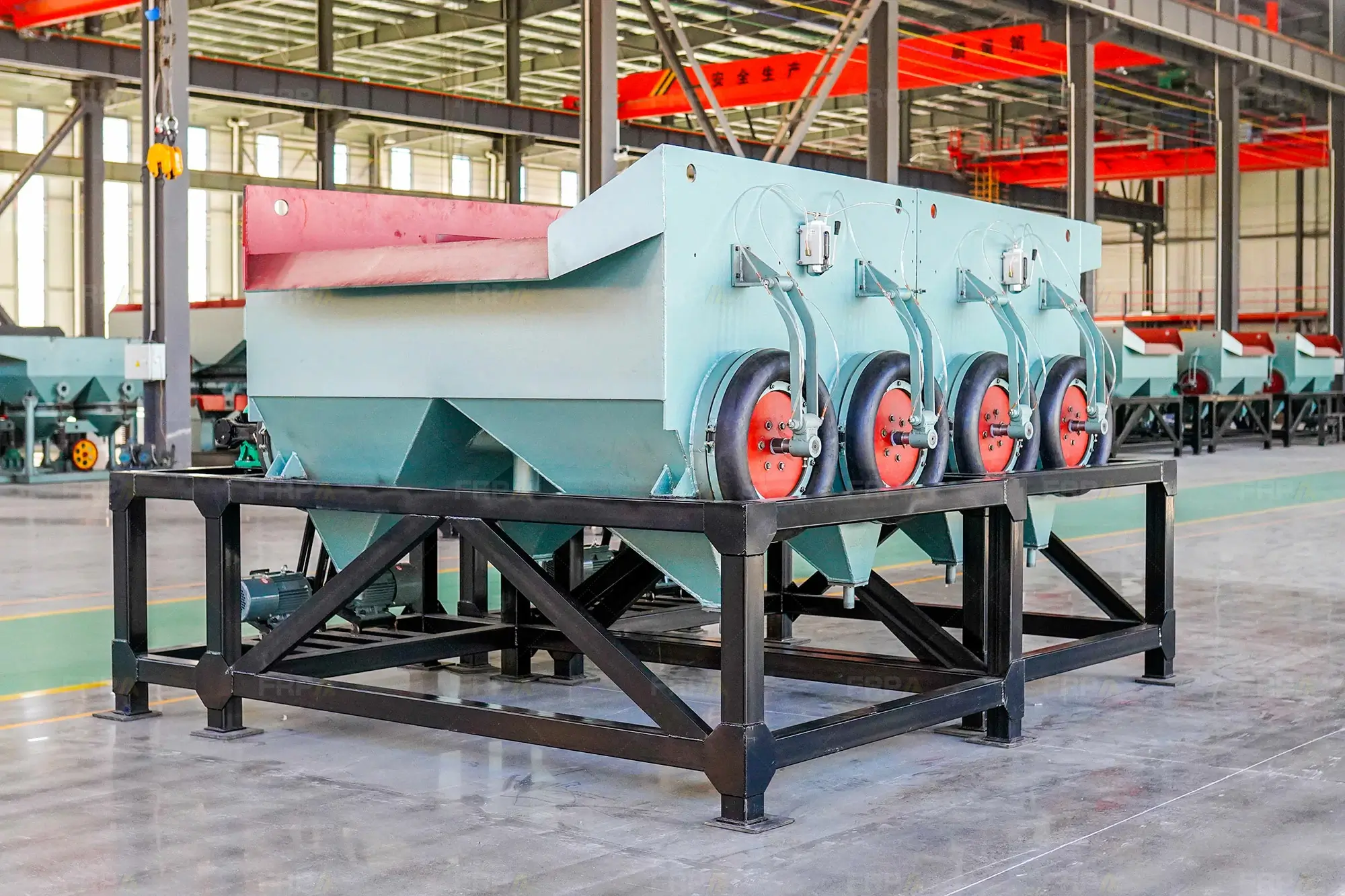
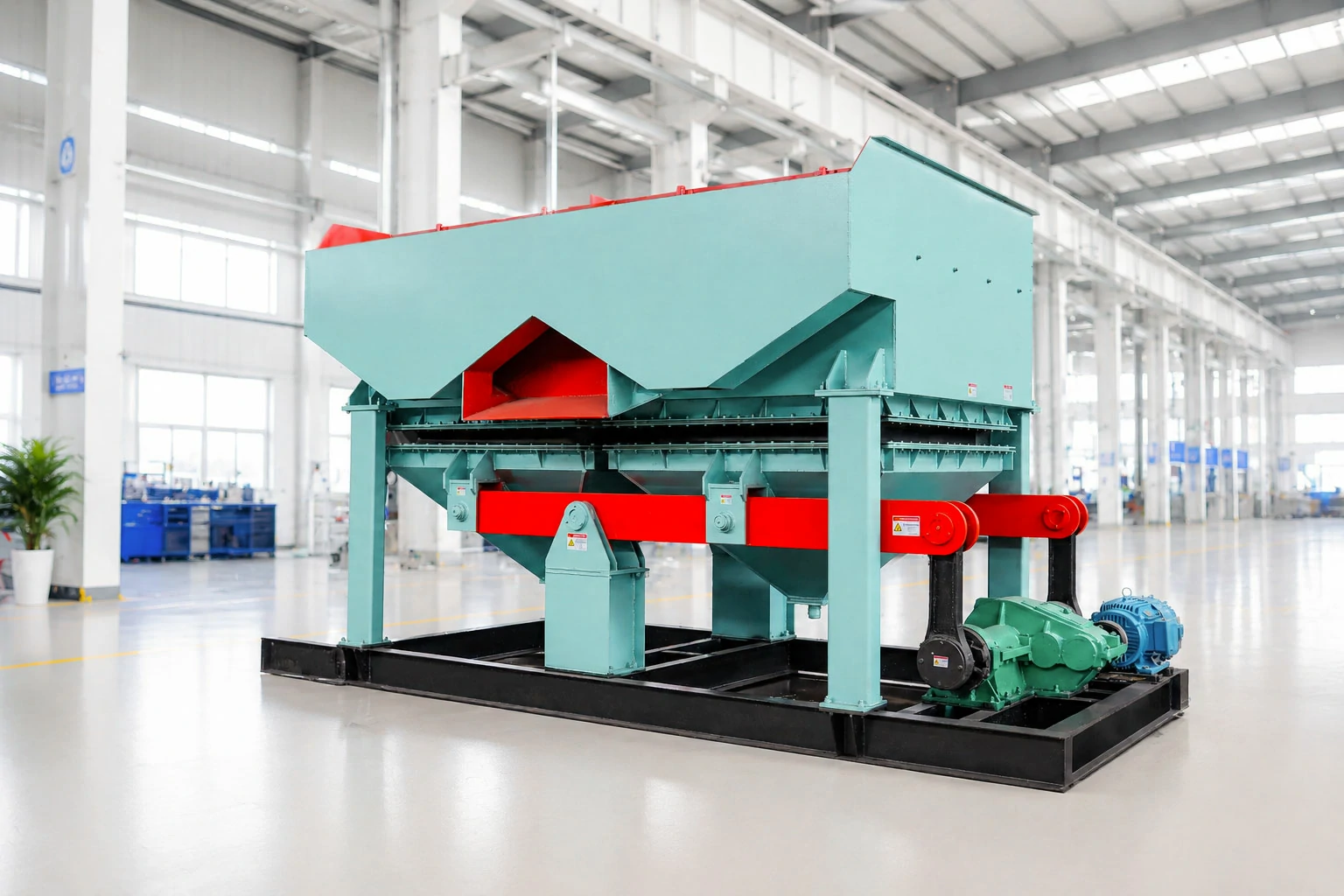
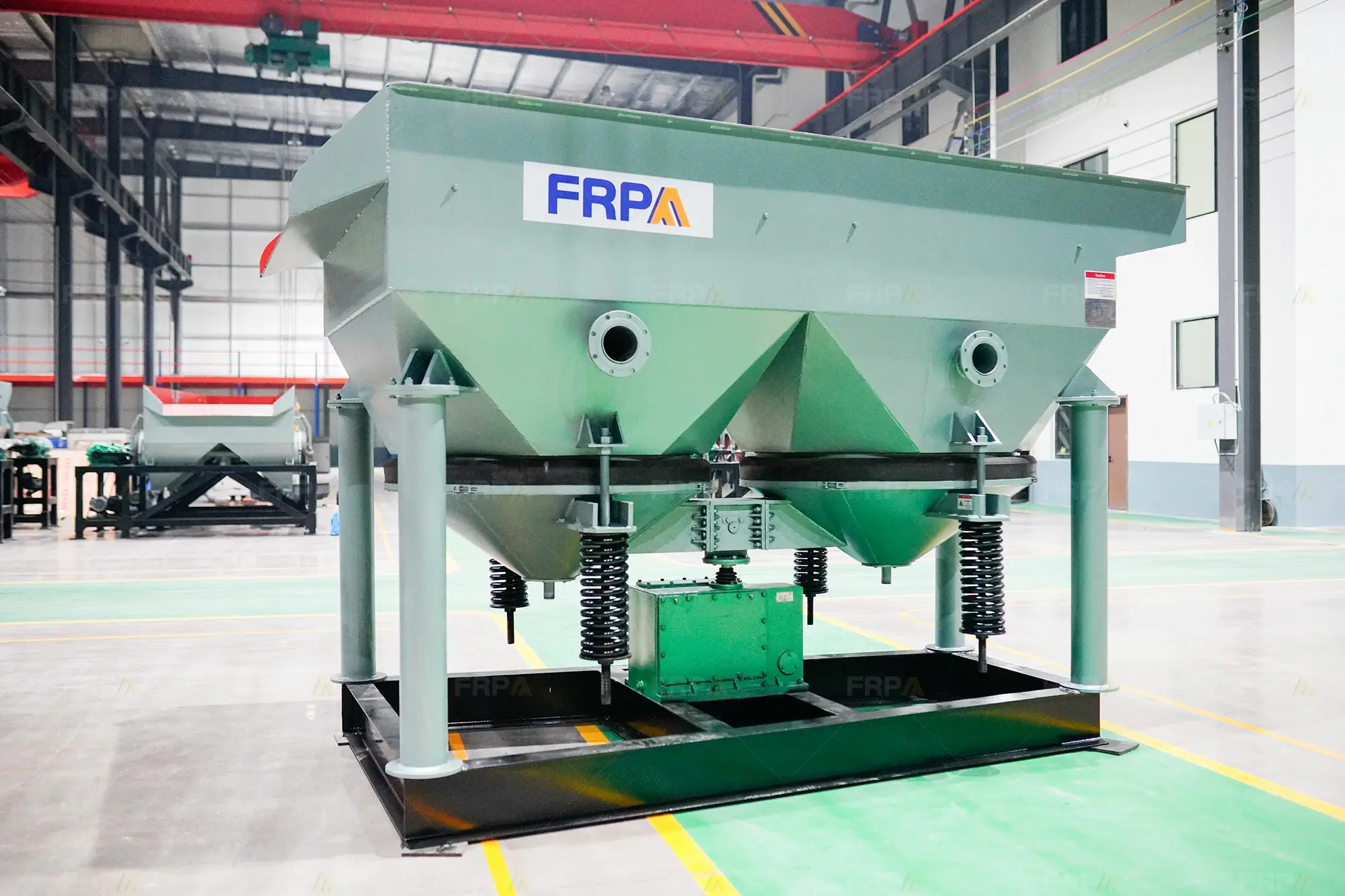
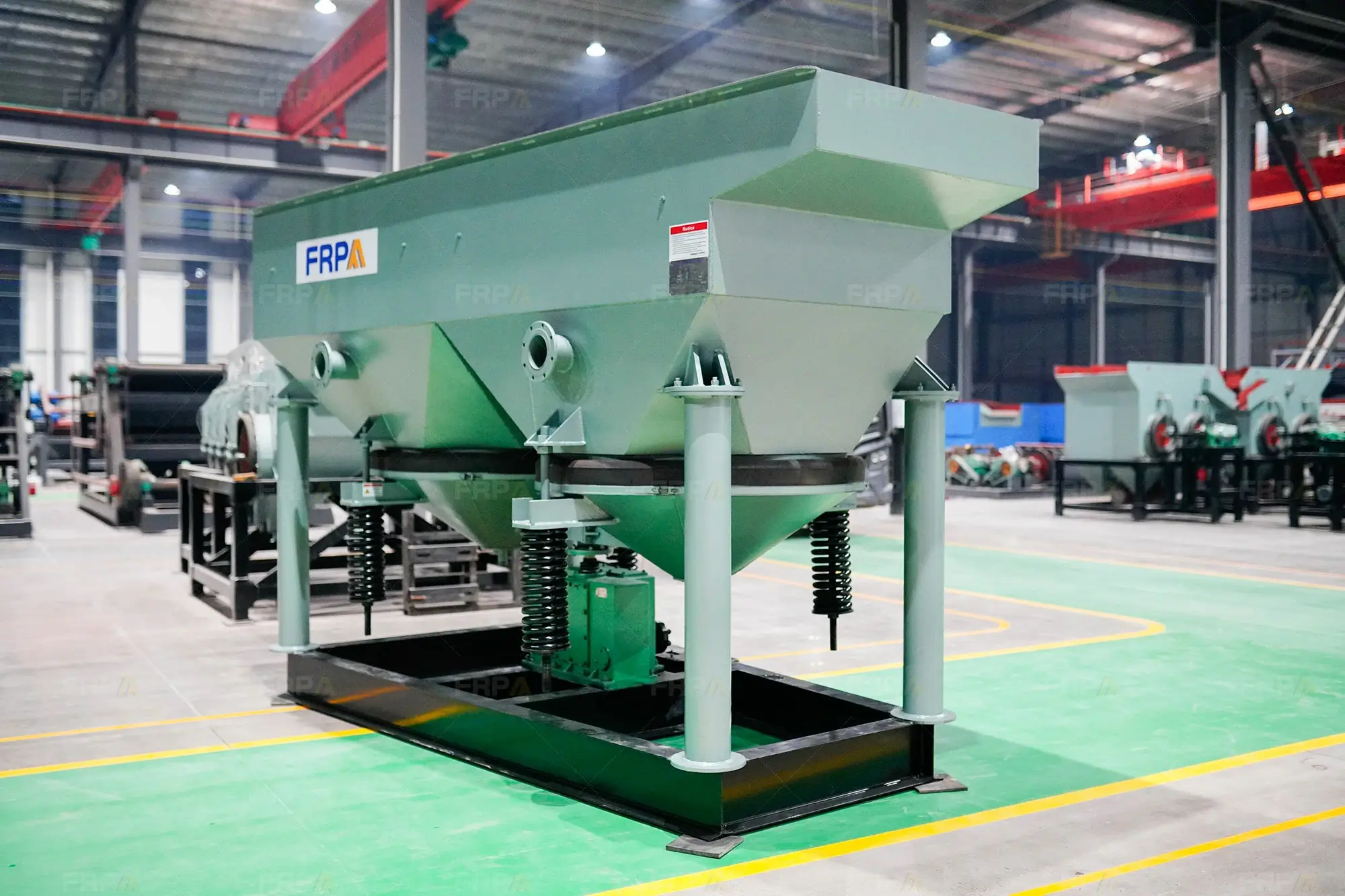
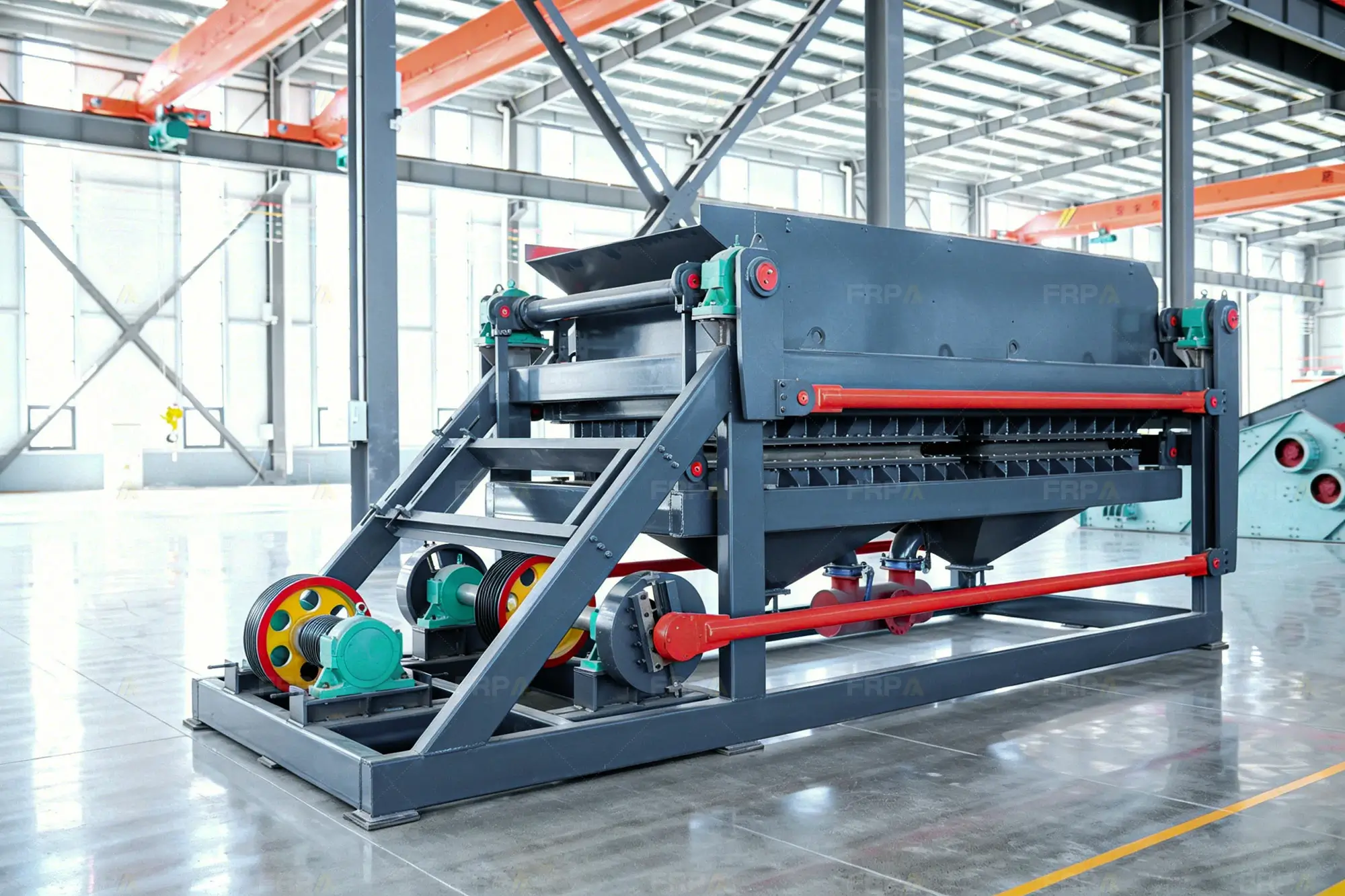
JT Jig Concentrator is a Asymmetric Pulsation Gravity Separator.

IT separates heavy minerals from light gangue using saw-tooth wave pulsation — delivering stable, high-precision density separation.

It is ideal for gold, tin, chromite, manganese, and other fine-heavy ores.

JT jig concentrator

Applications of JT Jig Concentrators

Alluvial minerals upgrading

Hard-rock pre-concentration

Legacy tailings reprocessing

Smelting slag metal recovery

Coastal mineral sands extraction

Low-grade complex ore upgrading

Asymmetric Pulsation Advantage

Fast upstroke, slow downstroke — Unlike conventional sinusoidal motion, the saw-tooth wave generates greater bed dilation during the upward stroke for vigorous particle agitation and redistribution, while the slower downward stroke creates a controlled settling environment that minimizes remixing of already stratified heavy minerals. This asymmetric pulsation delivers a clear advantage in fine heavy mineral recovery: fine particles penetrate more easily into the concentrate zone through the well-dilated bed, while reduced reliance on supplementary hutch water improves overall process stability.
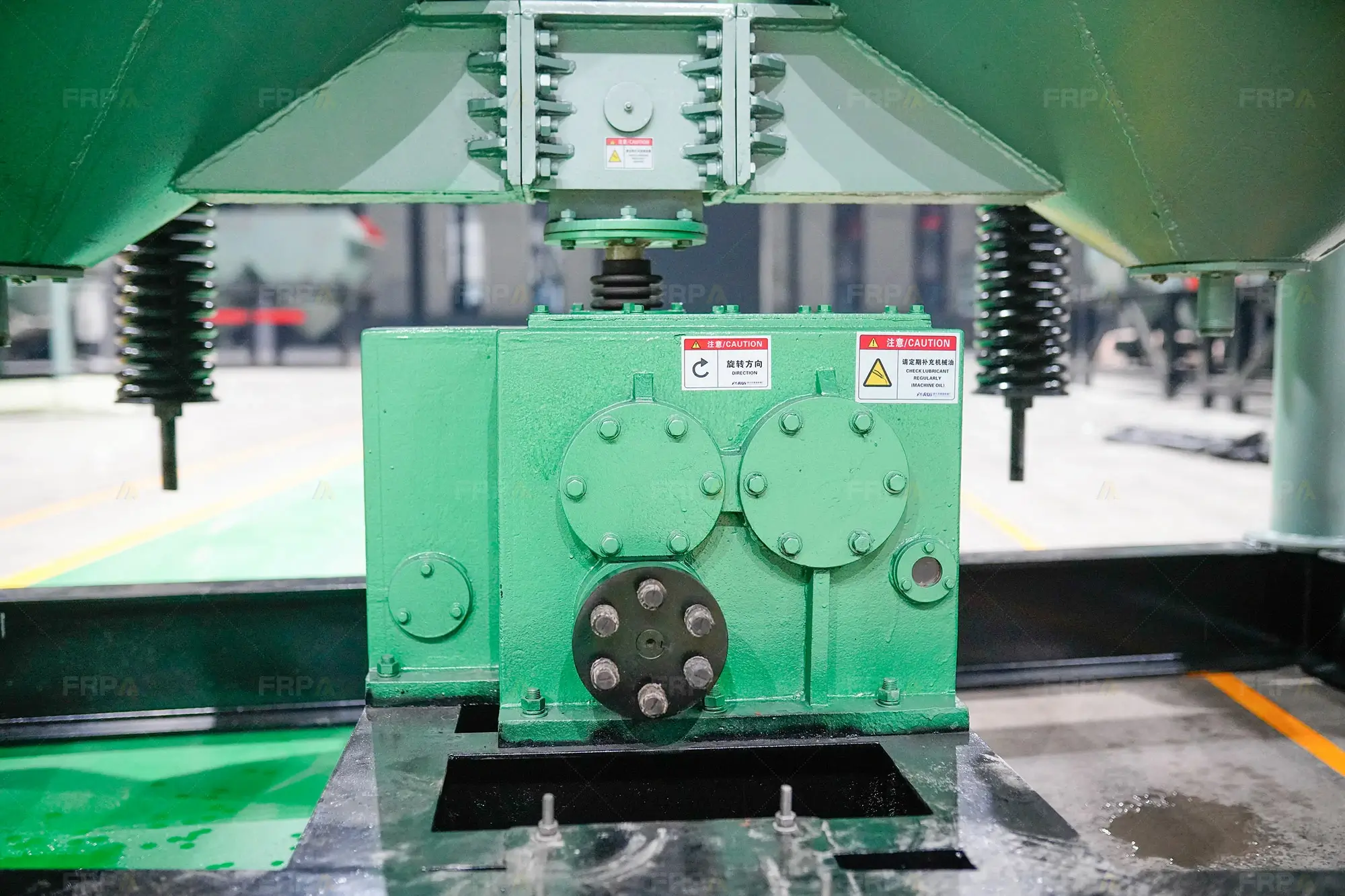
JT-JIG-(17)
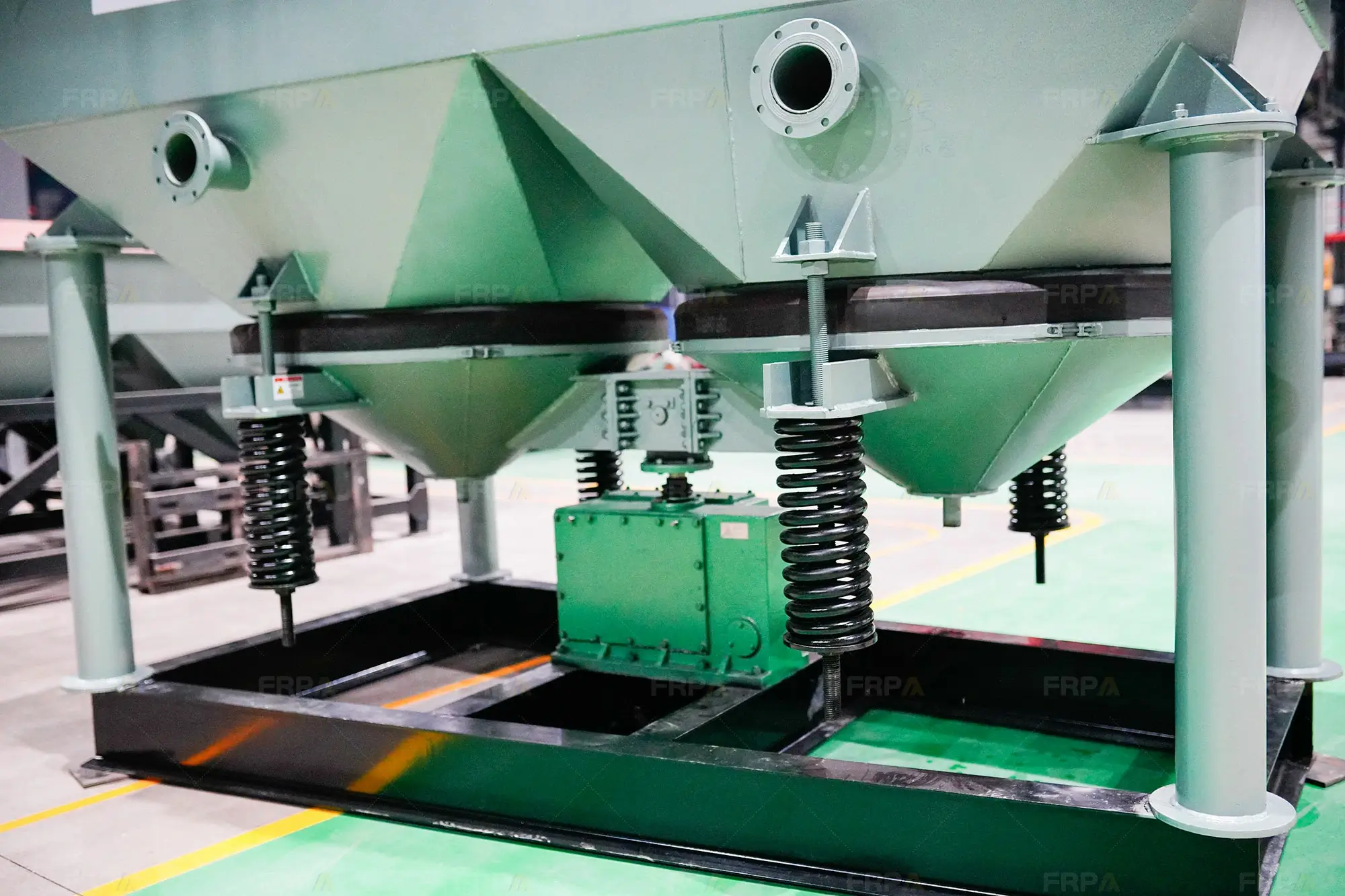
JT-JIG-(18)
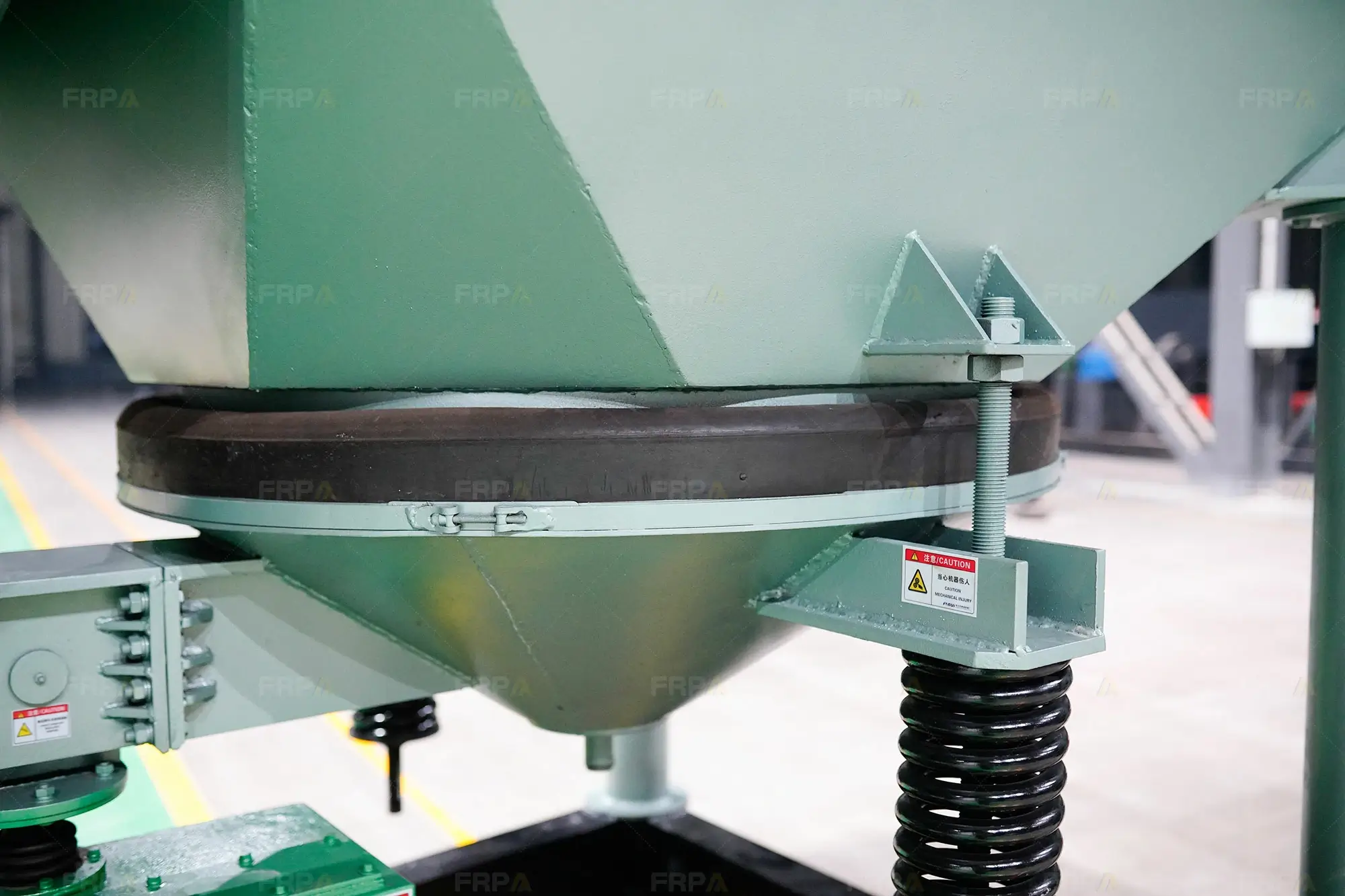
JT-JIG-(4)
JT-JIG-(13)
JT-JIG-(6)

Frequently Asked Questions

FAQ for JT jig concentrator

Jigging performance is mainly influenced by stroke length, stroke frequency, feed rate and density, bed thickness, supplementary water volume, and operational management. Proper coordination of these parameters ensures effective stratification and stable separation, significantly improving concentrate grade and recovery. Optimal parameters are normally determined through experimental testing.
Stroke length determines pulsation intensity, while frequency affects the bed pulsation rate. Coarse, high-density minerals require longer stroke and lower frequency; fine particles perform better with shorter stroke and higher frequency. Both parameters must be coordinated to ensure adequate bed loosening and sufficient stratification time.
Bed thickness directly impacts stratification speed and concentrate quality. A bed that is too thin may cause particle jumping and concentrate contamination, while an overly thick bed hinders proper layering and discharge. Generally, coarse particles need a slightly thicker bed, while fine particles perform better with a thinner bed to achieve higher concentrate grade.
When issues such as boiling, dead bed, or excessive looseness occur, inspect stroke length, frequency, water addition and feed uniformity. If the bed is too thin or concentrate impure, slightly increase the stroke or water supply. If the bed is too loose or overflow excessive, reduce the stroke or feed concentration. Continuously monitor and fine-tune the parameters for stable operation.
Stable operation requires uniform feed, clear stratification, stable bed condition and smooth discharge. Operators should closely monitor bed looseness and concentrate quality, promptly detect and correct any abnormalities, and ensure continuous, efficient mineral recovery.

Built for Uptime.
Backed All the Way.

We don't just deliver machines — we deliver assurance.

From installation to long-term service, we're by your side with ongoing support to keep your equipment running at its best.

Contact Today

Technical Data of JT jig concentrator

Model Feed Size (mm) Capacity (t/h) Number of Chamber Power (kW)
JT1070/2 0-5 6-8 2 3
JT1515/2 0-8 16-24 2 4×2
JT2020/2 0-10 25-40 2 5.5×2

Note: Specifications are subject to change without notice due to ongoing product improvement.

How can we help?

Have a question, need advice, or want to schedule an appointment? We're happy to assist with any inquiries you have about our equipment and system solutions.

    Home Tel Mail Inquiry