




During the stainless steelmaking process, a significant portion of valuable metal enters the slag as metallic particles, droplets, or solid lumps.
If visible metal particles remain in your slag, valuable alloying elements are being discarded. Even when average metal grade appears low, cumulative economic losses under continuous, high-capacity steelmaking operations are massive.
FRP designs and manufactures customized Stainless Steel Slag Metal Recovery Lines tailored to your slag characteristics, metal size distribution, processing throughput, and site layout.
Our goal is straightforward: Maximize the recovery of stainless steel particles that are already liberated or can be liberated through crushing and grinding.
From standalone recovery equipment to complete turnkey stainless steel slag processing plants, FRP provides tailored engineering solutions.
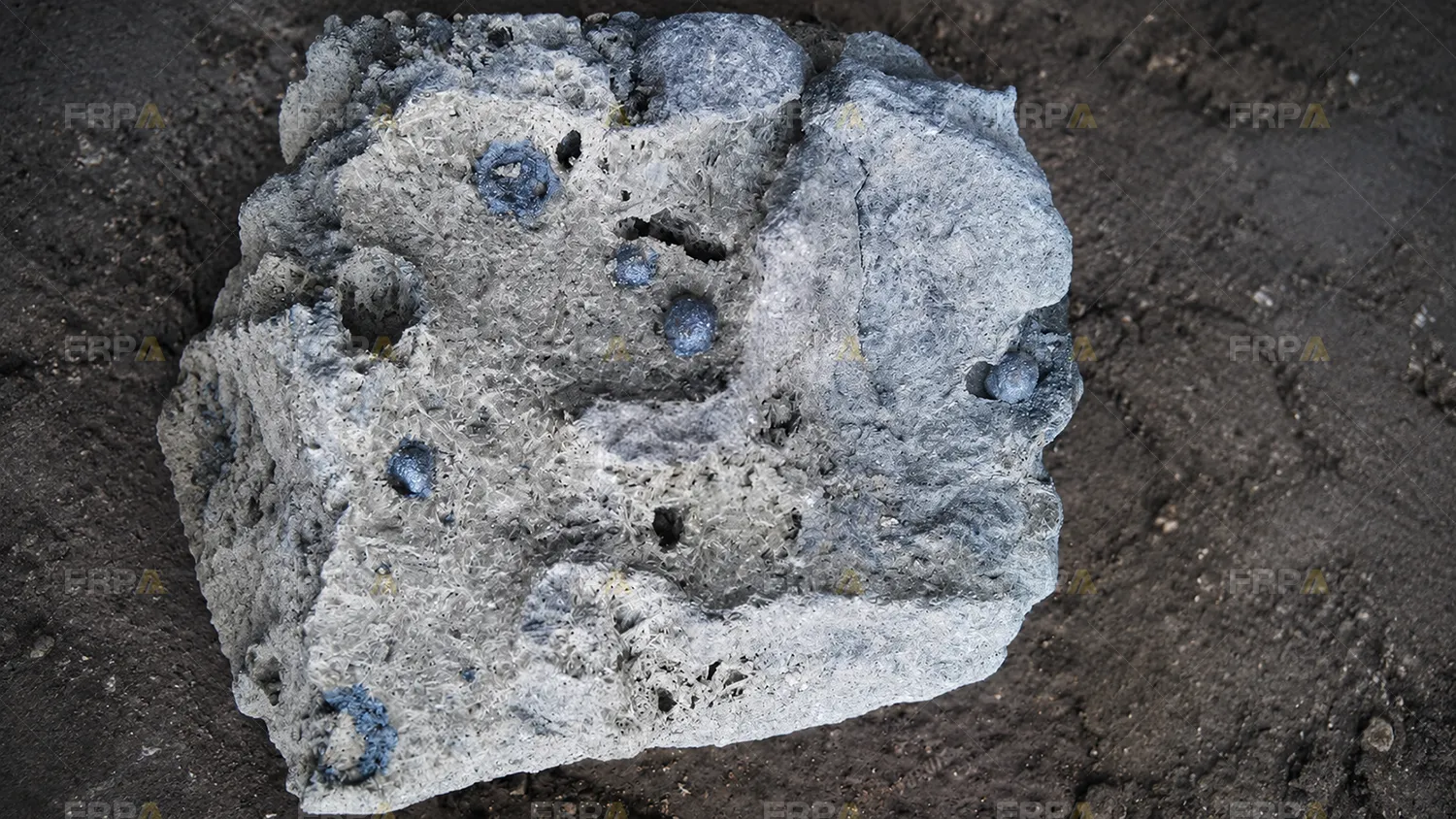
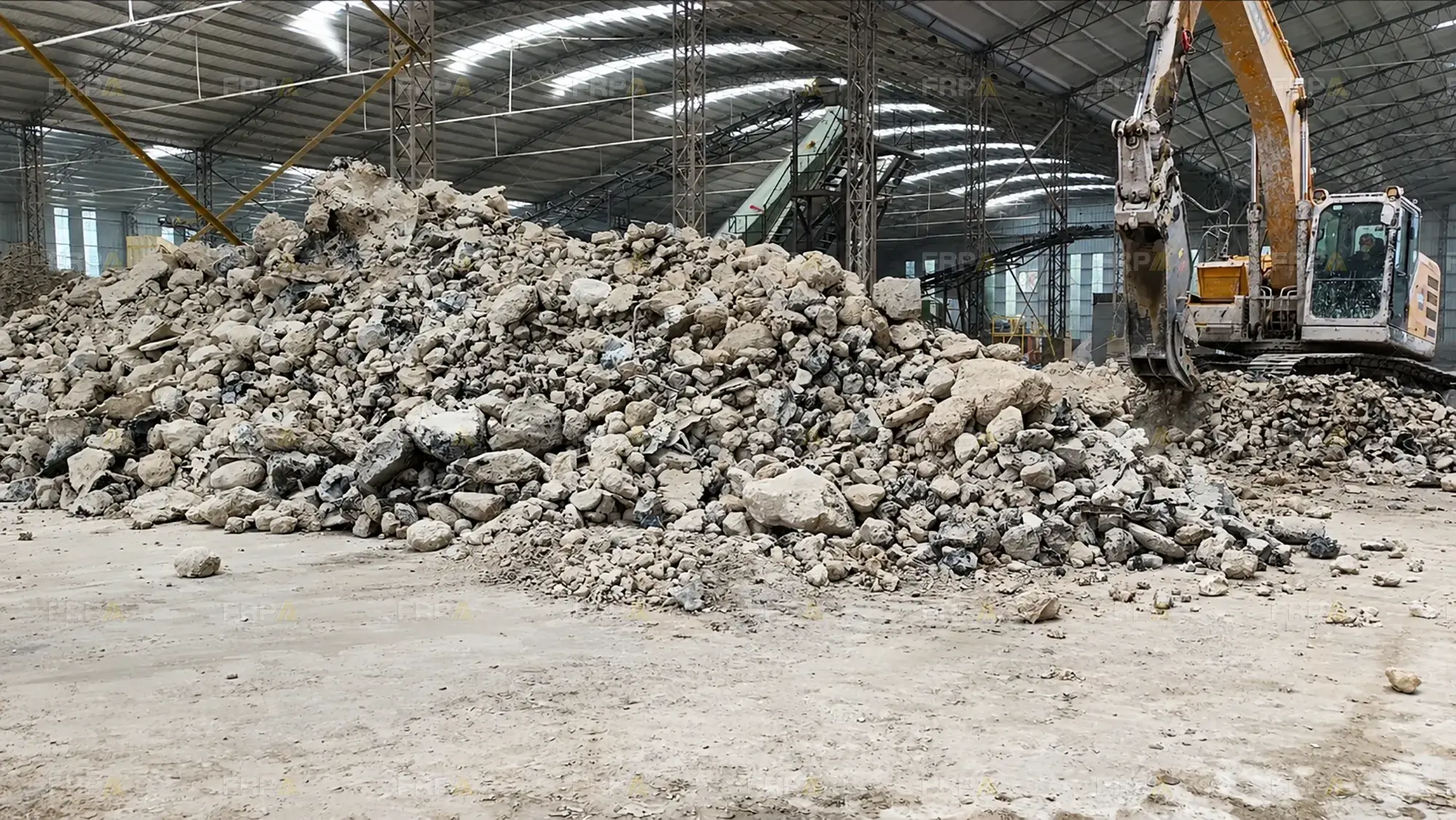
Stainless steel slag containing unrecovered metal particles—a prime target for high-value alloy recovery.
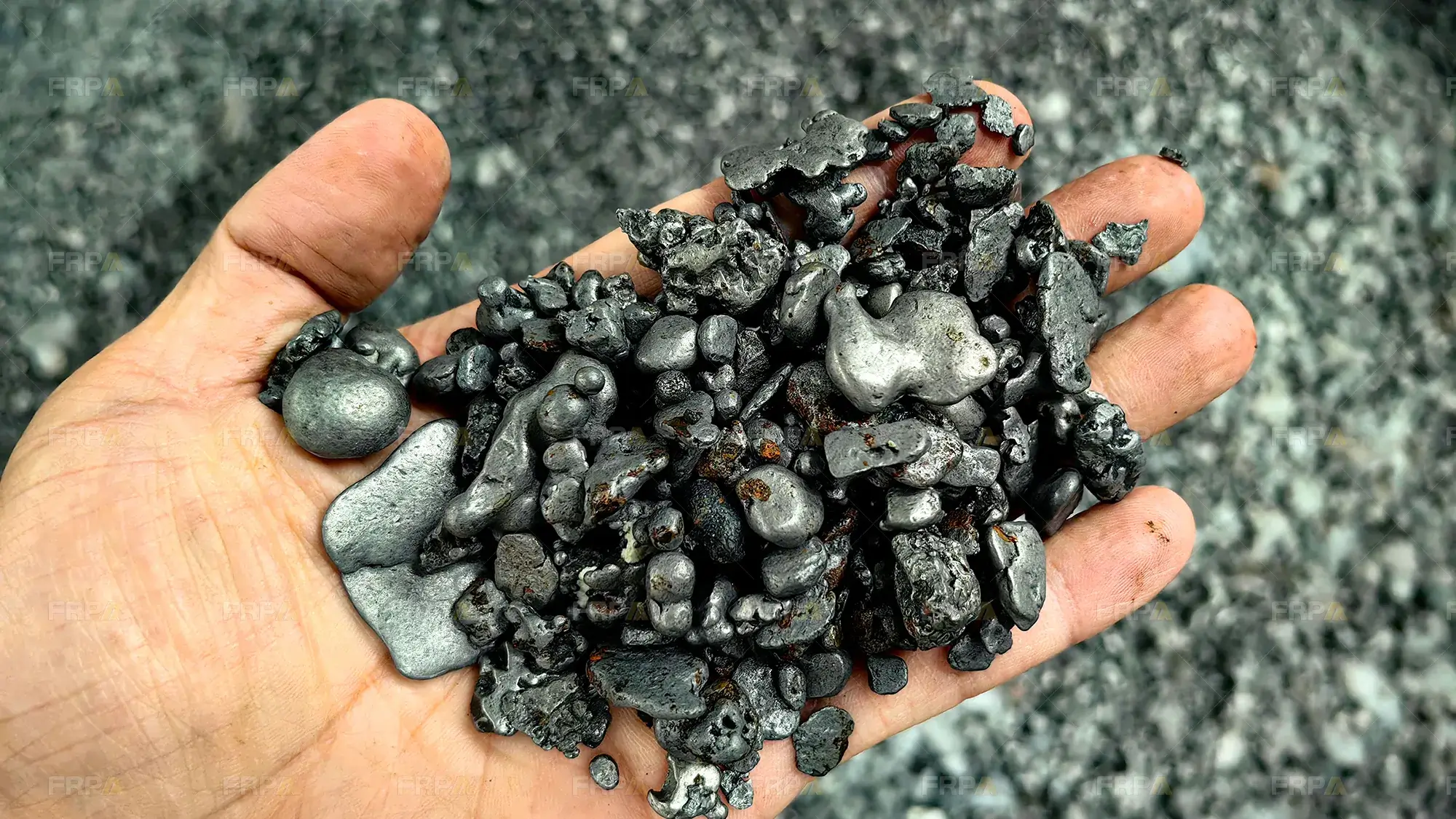
High-purity stainless steel concentrate extracted via density-based gravity jig separation.
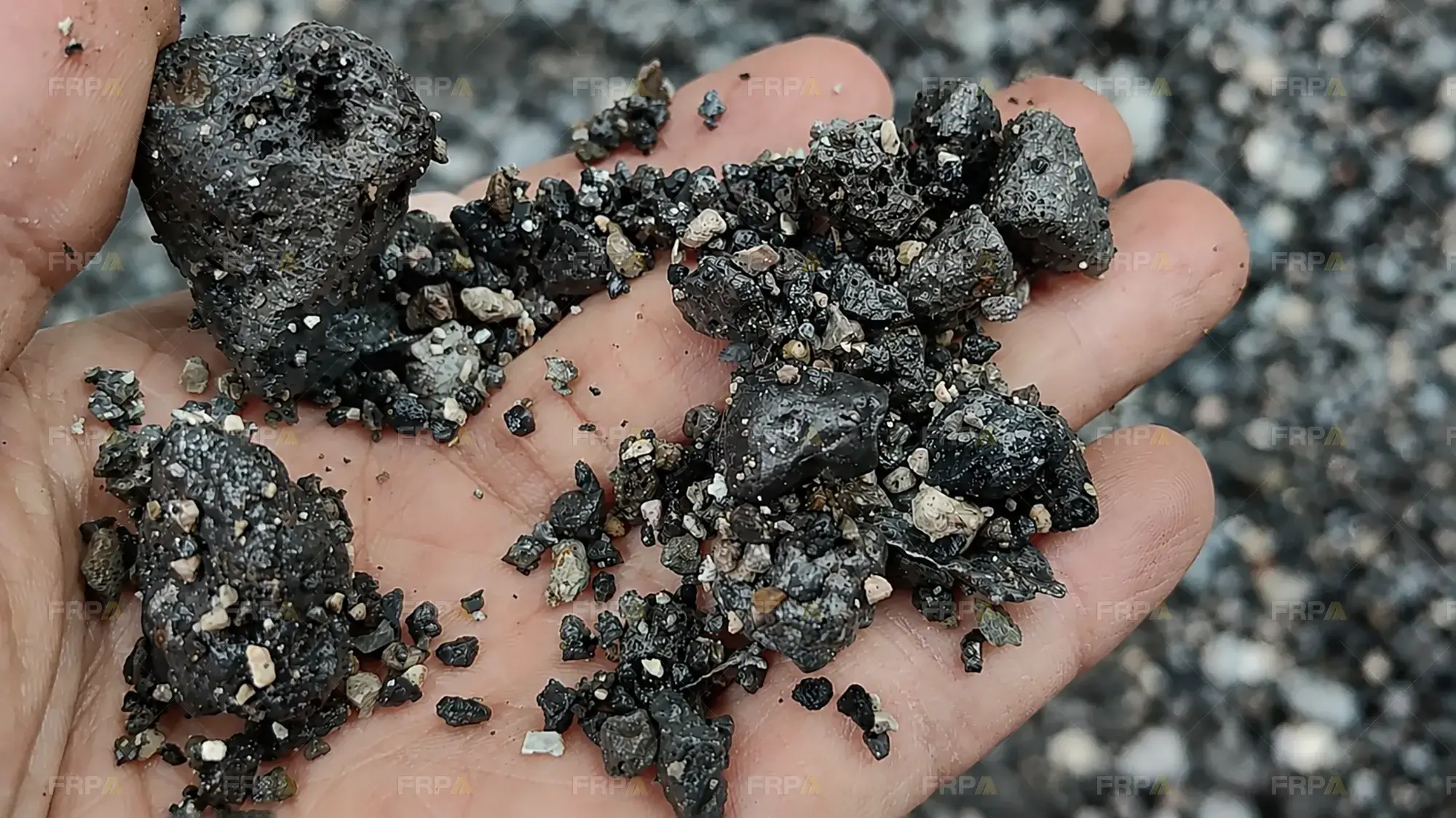
Final slag tailings after processing, with metal content reduced to absolute minimal levels.
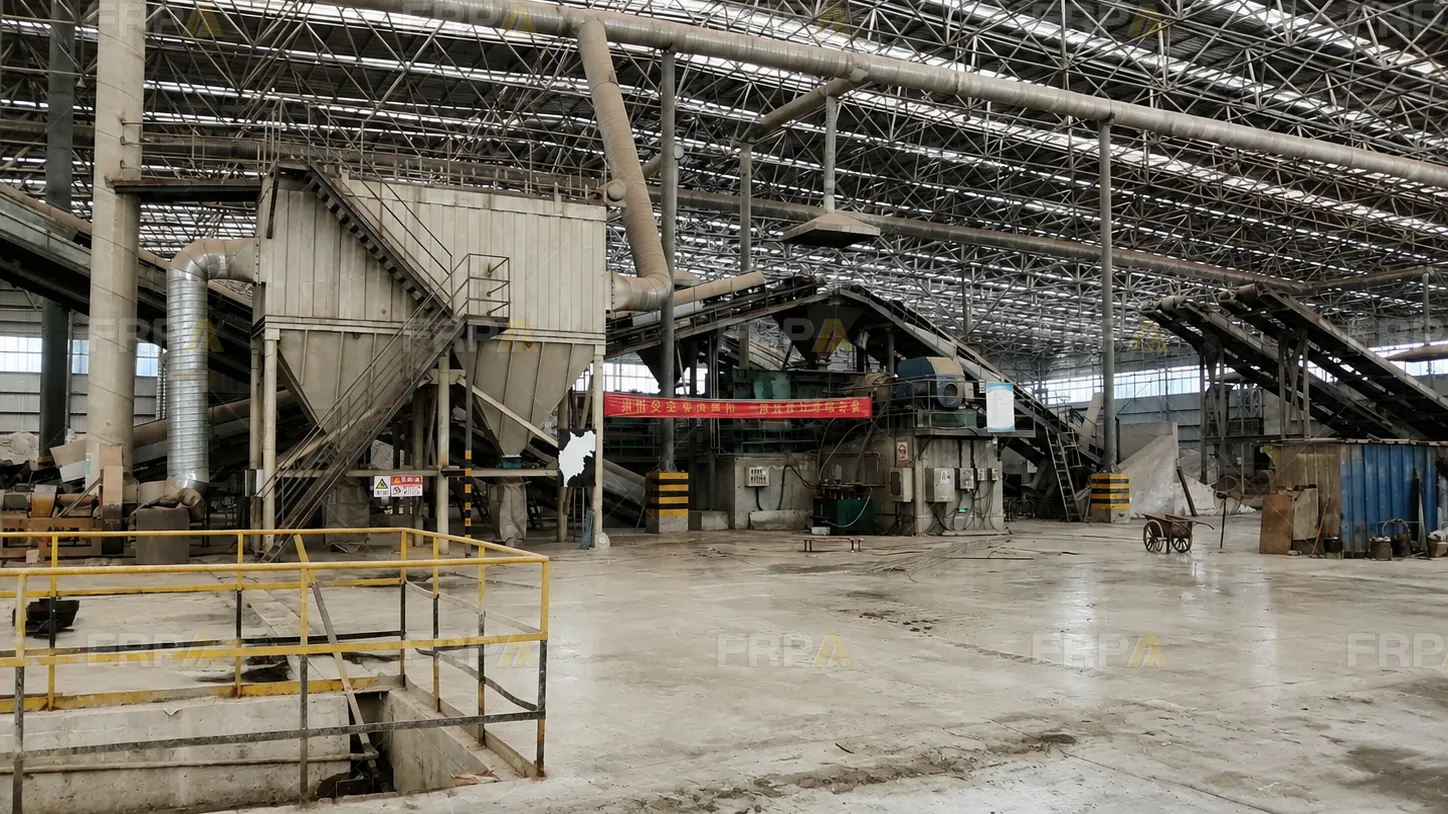
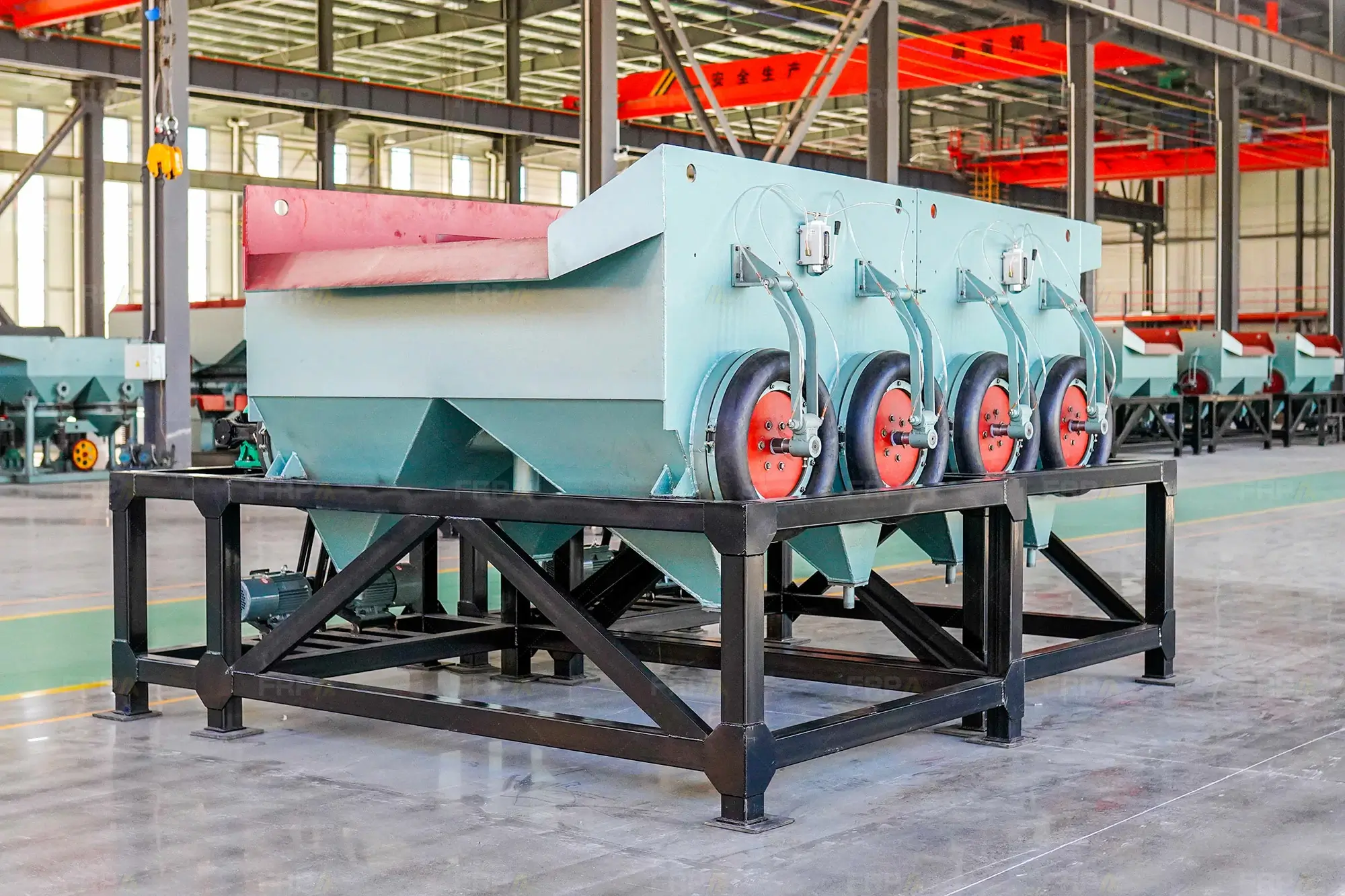
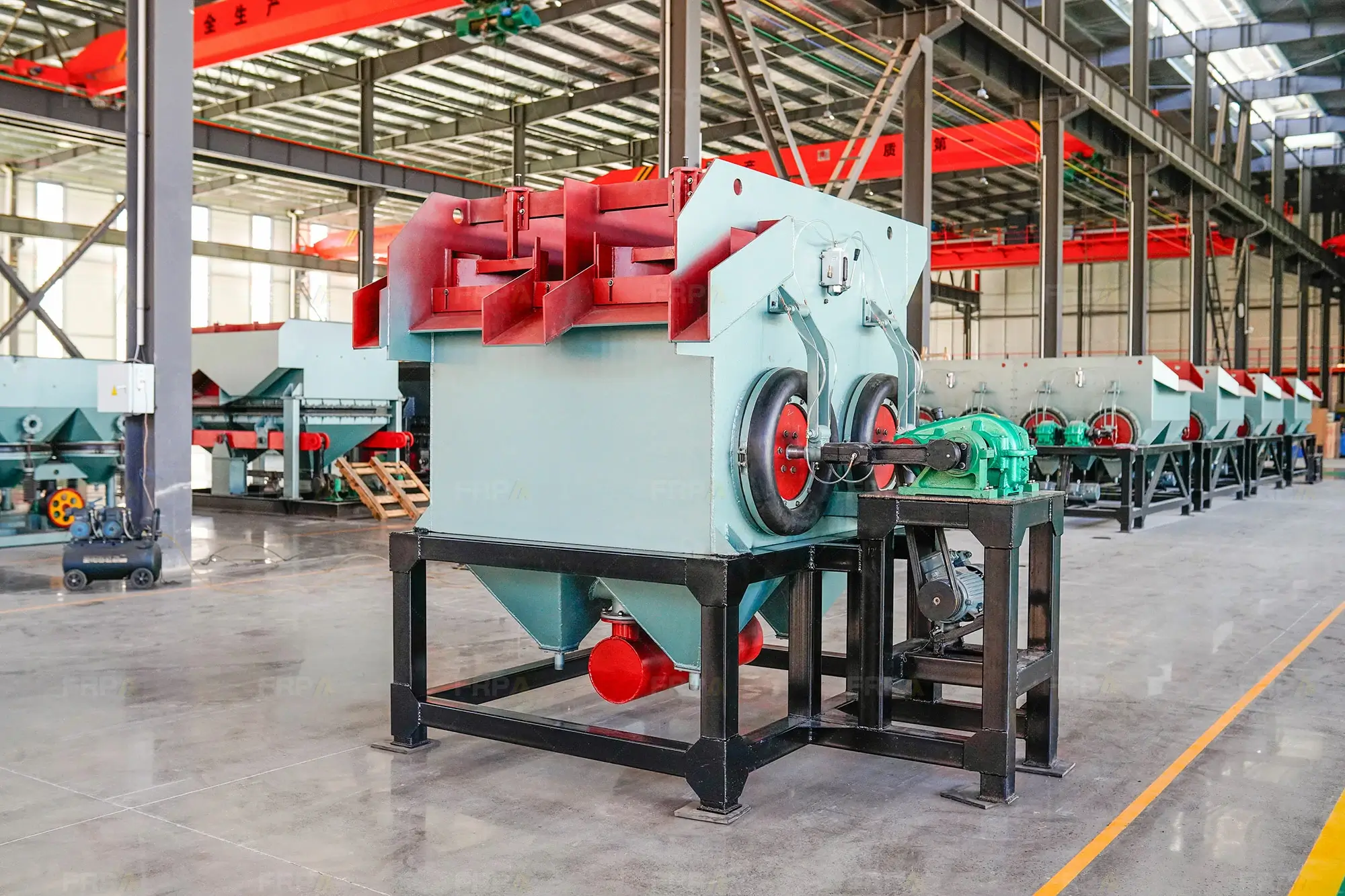
Compact, modular gravity separation layout designed by FRP for continuous industrial duty.
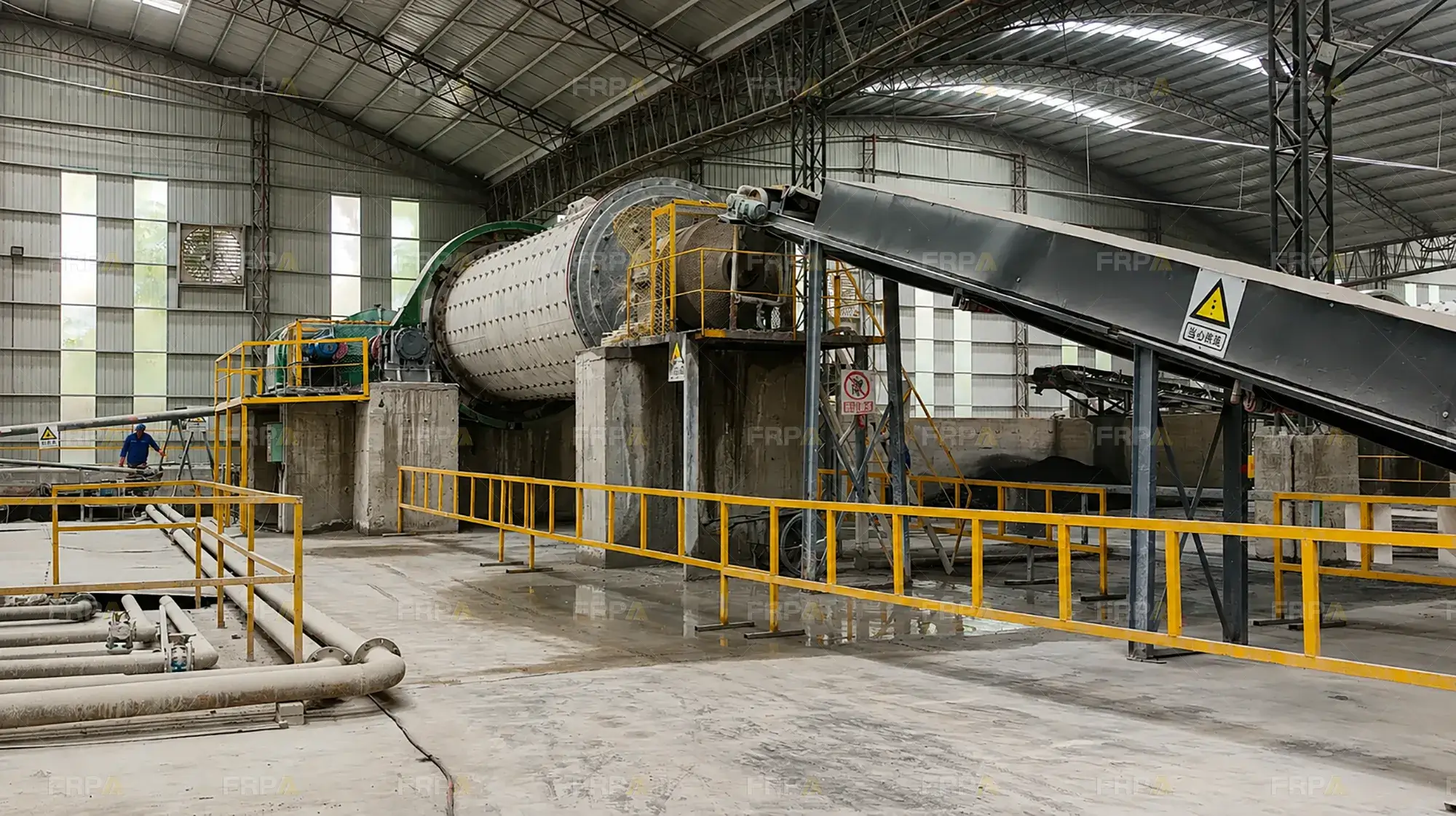
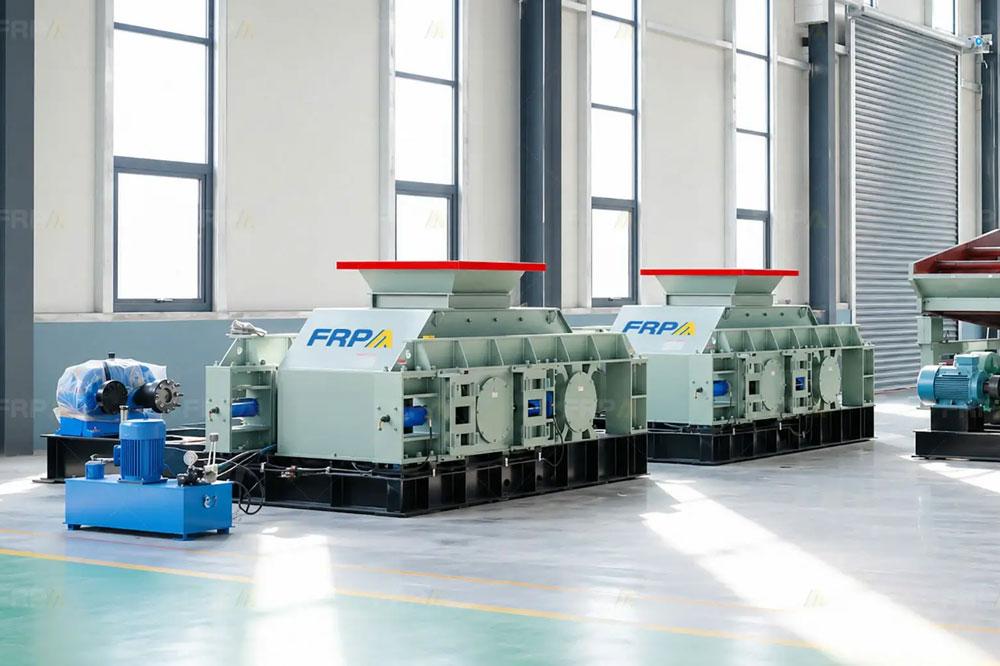
Slag is crushed and ground to release locked stainless steel droplets from the mineral matrix.
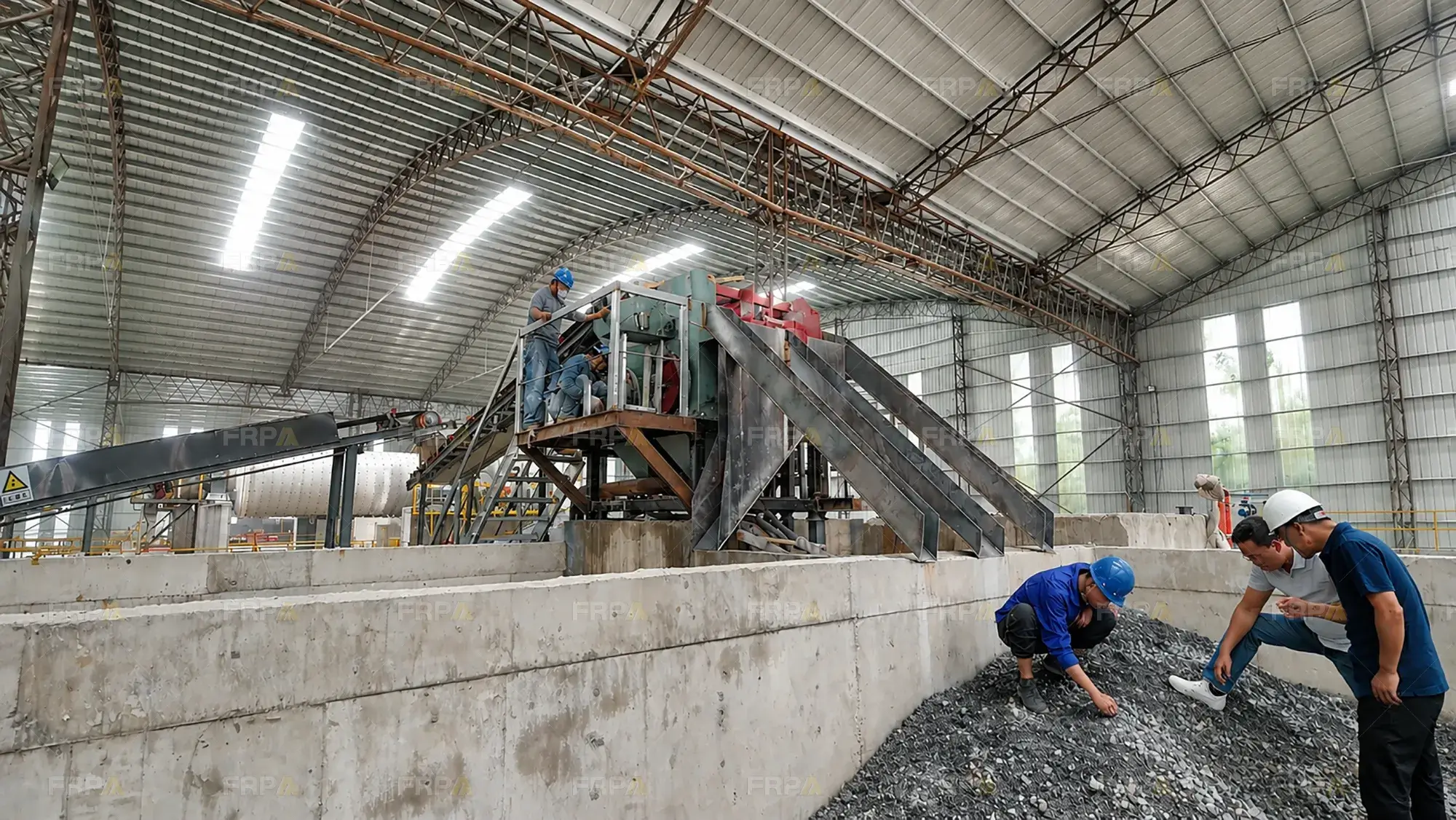
Separates metal by specific gravity. Concentrate purity: >97%; Metal recovery rate: >99%.
“FRP’s recovery system allows us to extract hundreds of additional tons of stainless steel every month from tailings previously sent to waste.”
A common misunderstanding in slag recycling is that all stainless steel should be attracted by magnets because it contains iron.
In reality, whether stainless steel is magnetic depends on its crystalline phase and alloy composition. Magnetic responses vary drastically across different grades.
Due to their austenitic crystal structure, 304 and 316 stainless steels are non-magnetic or weakly magnetic in their natural state.
These premium grades contain rich nickel and chromium. While highly profitable to recycle, conventional magnetic separators consistently fail to capture them.
Grades like 430, 410, and 420 exhibit strong magnetic behavior. These particles are easily recovered using standard magnetic drums or pulleys.
Standard magnetic separators excel at capturing ferritic and martensitic metals, but they miss valuable non-magnetic austenitic stainless steel.
FRP utilizes physical gravity jig separation technology. Rather than depending on magnetic response, our system separates materials based on the significant density differential between stainless steel (approx. 7.9 g/cm³) and slag matrix (approx. 2.7–3.2 g/cm³).
Whether operating as a standalone recovery line or installed downstream of your existing magnetic separators, FRP gravity systems capture non-magnetic metals left behind—transforming discarded slag into furnace-ready concentrate.
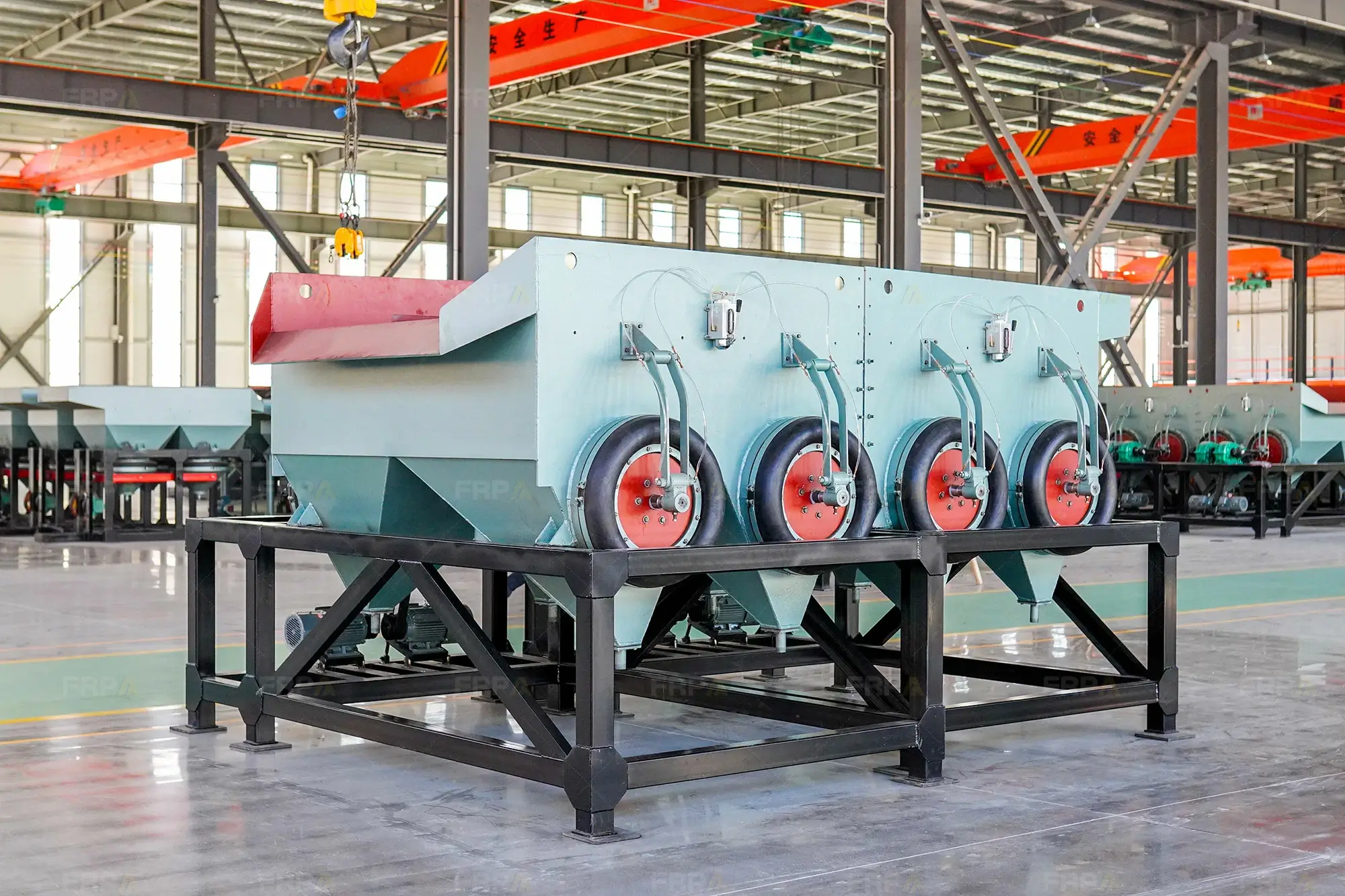
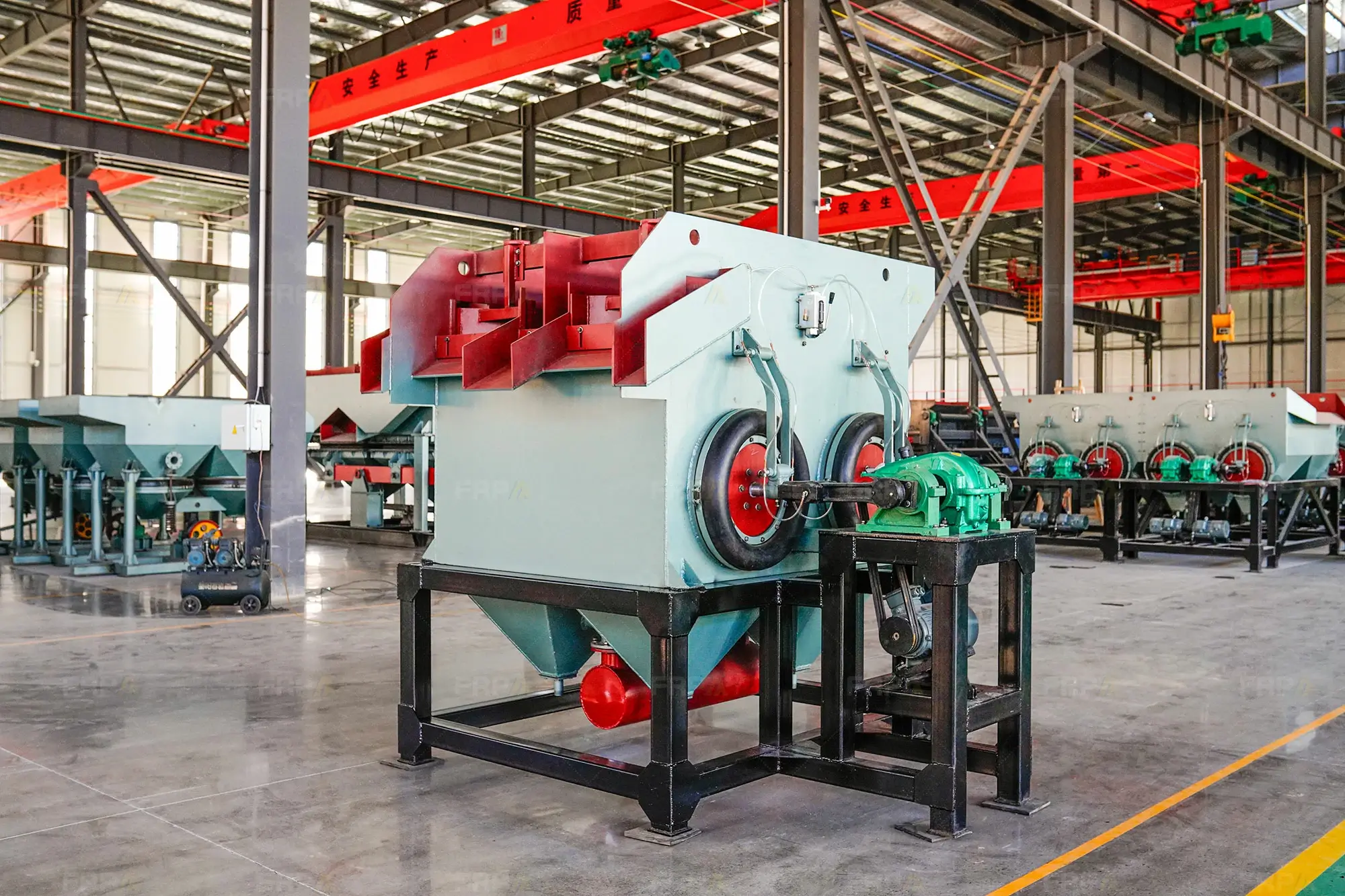


Density-Based Separation Overcomes Magnetic Limitations — FRP Gravity Jig Separators Workshop
With proper liberation, accurate sizing classification, and optimized operating parameters:
FRP gravity jigging bypasses magnetic constraints completely. Once liberated, non-magnetic austenitic particles are separated as efficiently as magnetic ones.
FRP Expertise: Supported by 6 patented jigging technologies and over 3,000 installations globally for mineral and slag metal recovery.
Gravity separation uses a purely physical process with water as the separation medium, requiring zero chemical reagents. Robust designs and low maintenance keep long-term operating costs minimal.
FRP supplies total plant systems: feeders, crushers, screens, jig concentrators, dewatering screens, and automated controls. Single-source delivery eliminates engineering mismatches and site installation delays.
This process is highly recommended for evaluating:
Evaluating a slag recycling line comes down to clear financial economics:
Daily Net Profit = (Daily Dry Slag Capacity × Liberated Metal Content × Added Recovery Rate × Settlement Price) − Daily OPEX
In most medium-to-large stainless steel smelting projects, recovered high-value alloy metals pay back the initial equipment investment within months.
No complex assay data needed. Simply tell us your hourly processing capacity and estimated metal content (a photo of your raw slag is also welcome).
FRP's engineering team will provide a customized preliminary plant layout and ROI payback estimate within 24 hours.
Have a question, need advice, or want to schedule an appointment? We're happy to assist with any inquiries you have about our equipment and system solutions.