





In mining and aggregate processing, the screening of sticky and wet materials is one of the most critical and challenging stages in the production line. As moisture content increases and clay becomes plastic, conventional vibrating screens almost inevitably suffer from aperture blinding, a drastic drop in throughput, and frequent unplanned shutdowns for cleaning.
This triggers a disastrous chain reaction across the plant:
Therefore, the efficient removal of clay and sticky fines before crushing, washing, or downstream beneficiation is a key prerequisite for improving overall plant stability and processing efficiency.
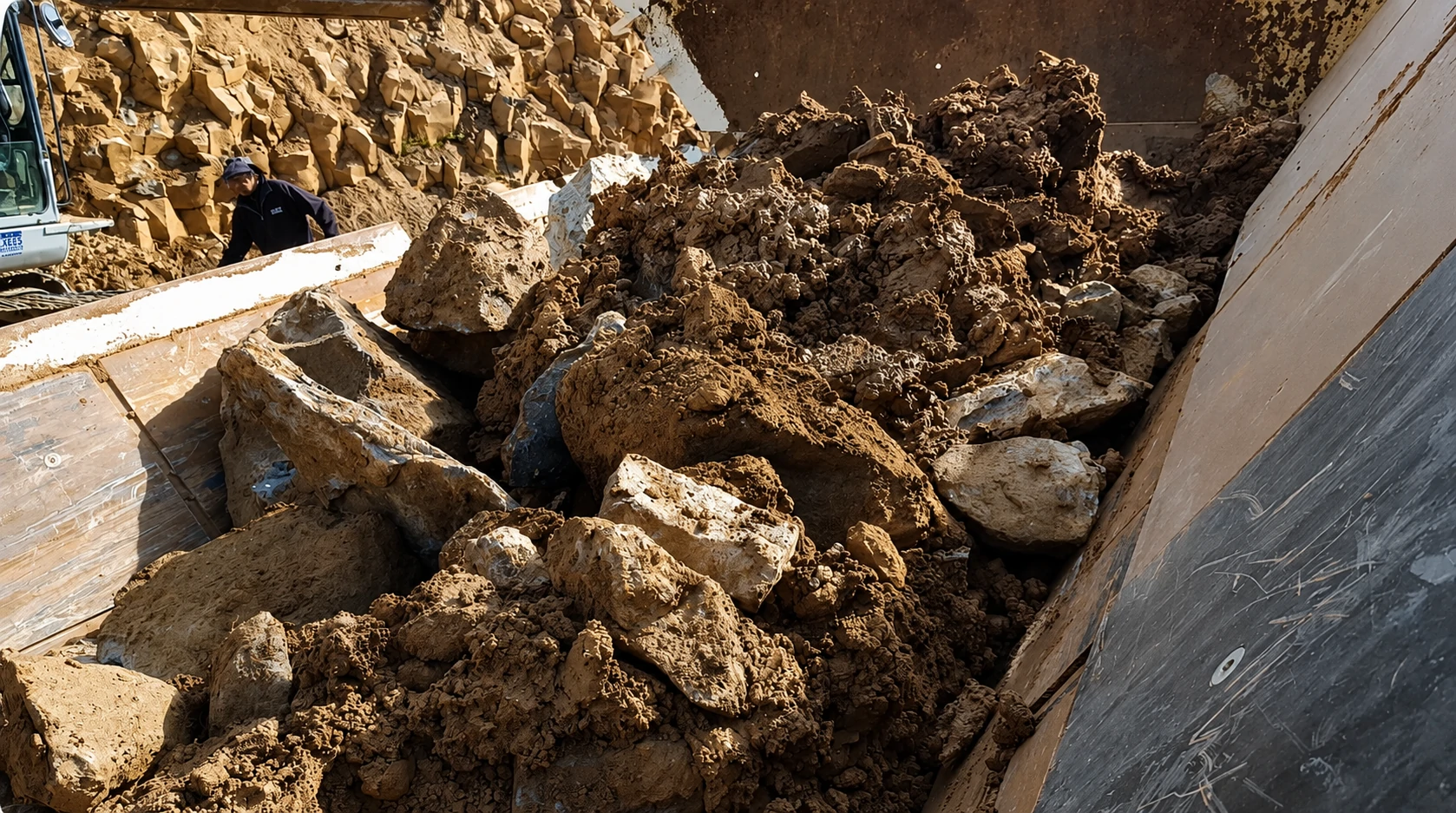
The core logic of the Roller Screen lies in completely overturning the traditional screening method.
Instead of relying on fixed apertures and gravity, it applies a forced physical action of "rolling and lifting." Material is continuously lifted, dropped, and dispersed on the rotating roller surface, while clay lumps are destroyed by powerful shear forces.
More importantly, the gaps between the rollers are "dynamically open." The rotating surface provides a self-cleaning function, preventing sticky material from bridging or adhering to the gaps. From a physical mechanism standpoint, blinding is entirely eliminated.
No matter how wet the material or how plastic the clay, the dynamically rotating screen surface always remains clear, completely saying goodbye to the blinding dilemma of traditional vibrating screens.
The forced tumbling action separates sticky fines from lump aggregates early on, delivering a clean and stable feed for downstream crushing and washing stages.
Abandoning energy-consuming high-frequency vibration, it uses low-speed, high-torque drives. This significantly reduces energy consumption, lowers foundation requirements, and ensures extremely quiet operation.
Eliminates the need for frequent manual screen cleaning, significantly cuts maintenance costs, and guarantees true continuous operation during rainy seasons or high-clay conditions.


The roller screen is not a general-purpose machine; it is built specifically for harsh conditions where "other screens fail."
Based on strict quality control and a heavy-duty structure reinforced for sticky material applications, FRP provides a three-year warranty for its roller screens. This is not just confidence in the equipment, but a safeguard for your investment.
Available in both stationary and tracked mobile configurations. Whether it's a new fixed plant or a tough environment moving with the mining face, it integrates perfectly.
We do not believe in "one-size-fits-all" standard products. The roller diameter, spacing, speed, and inclination angle of every FRP roller screen are precisely calculated based on your actual material PSD, moisture range, and clay type, ensuring the screening logic matches the site conditions 100%.

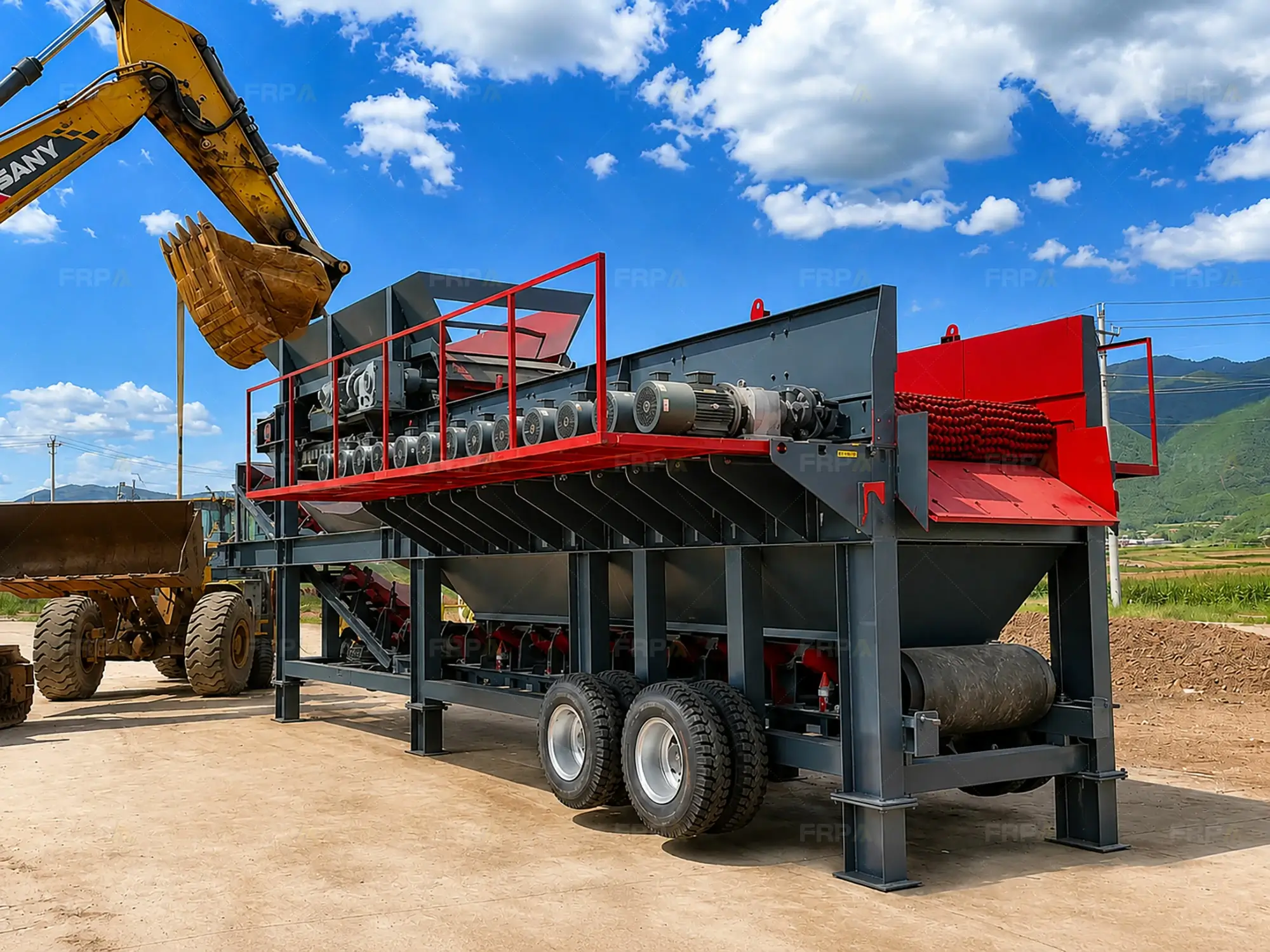
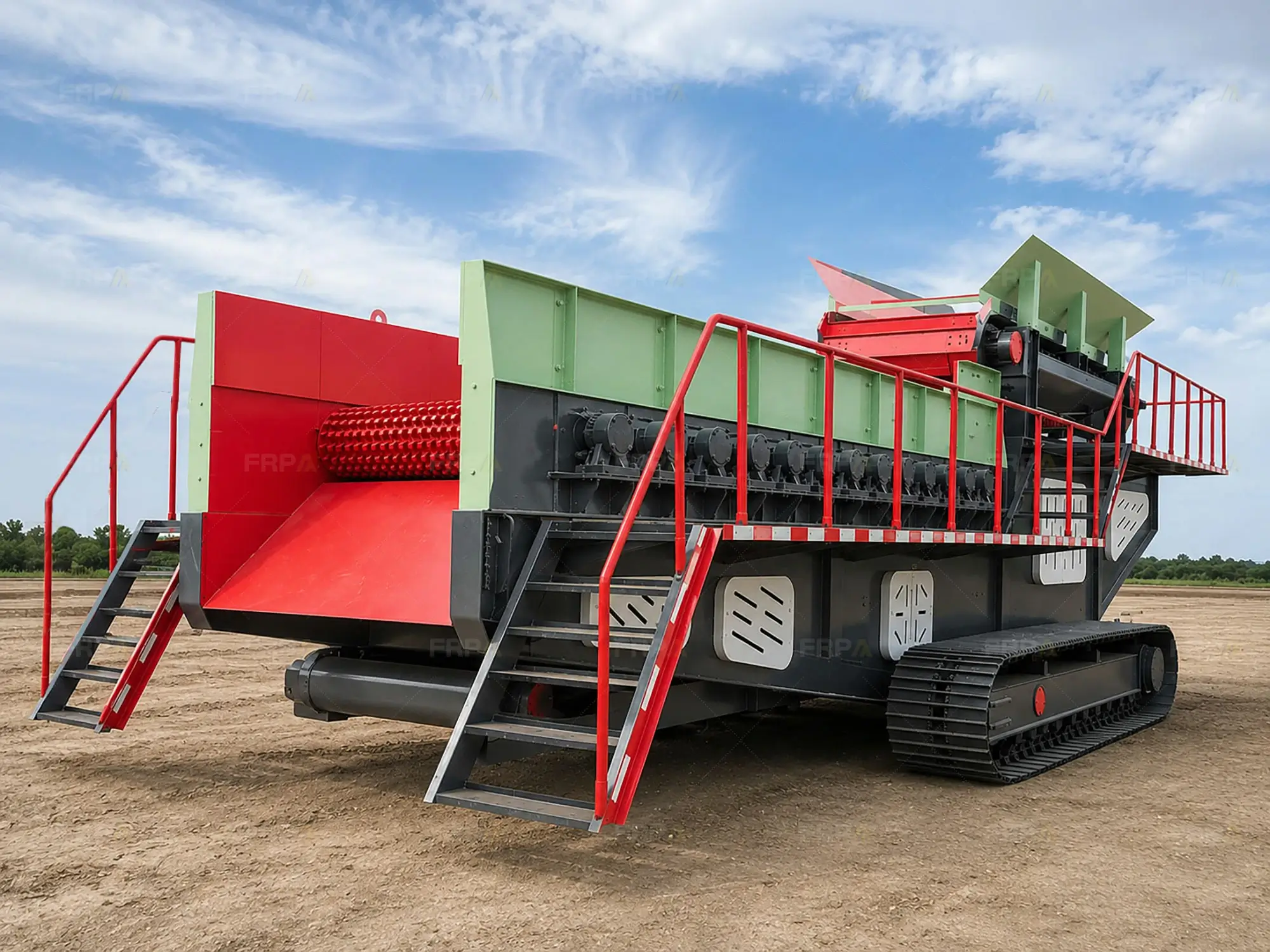
Roller screen application for sticky and wet material.
Below are the most common technical questions we receive for roller screens used in high-moisture and clay-rich applications.
Don't let clay drag down your capacity. Send us your moisture range, clay condition, and target cut size. The FRP engineering team will evaluate the most suitable screening concept and layout position for you.
Have a question, need advice, or want to schedule an appointment? We're happy to assist with any inquiries you have about our equipment and system solutions.
